
Minsk may not be the first place that springs to mind when you’re planning a trip to Europe or even Eastern Europe, but it definitely should be! I gave Minsk 36 hours and it completely surprised me. It felt refreshingly authentic, brutalist architecture, wide boulevards, and rich history, juxtaposed against trendy cafes, with a surprisingly youthful undercurrent. If you’re curious about seeing a completely different side of Europe, then Minsk is a place to visit.
Minsk is the capital city of Belarus – it lies on the Svisloch River. Minsk was first mentioned in historic records in the 11th century, it’s been torn apart by wars, rebuilt more than once, and has been the part of several former empires. It was redesigned at the end of World War II by the Soviets – which resulted in the grand, orderly capital of Soviet-era buildings you see today.
Minsk has a complex past, and it’s certainly somewhere worth exploring.
What to know about visiting Minsk
- Visas: From 08:00 on 19th July 2024, Belarus extended its visa-free entry (30-day visa) on its land borders, to include 35 more European countries, which already included Latvia, Poland and Lithuania. The visa-free entry by air is still in place, although limited flights operate, as well as the short stay transit visa. Previously people haven’t needed a visa for the Brest and Grodno visa-free regions, but now you can visit the entire country – Minsk included, regardless of your country of origin. This policy was only supposed to be in operation until 31st December 2024, but it’s now been extended until December 31st, 2026. Click here, more details on the Minsk visa and entry process.
- Travel Insurance: Most foreign governments will advise against travelling to Belarus, which means you will need to buy mandatory travel insurance. There are two travel insurance providers in Belarus via which you can make an online purchase. I wasn’t asked to show evidence of having purchased insurance, though I do recommend making sure you have cover. Click here for more information on the insurance providers in Belarus.
- Safety: During my time in Belarus I felt completely safe, both day and night. The locals were nothing but friendly, and were always more than happy to help if I had any questions.
- Money: Carry some cash in Belarusian rubles, as cards aren’t accepted everywhere. Use official exchange offices or ATMs for the best rates. Keep small notes handy for local transport, markets, and public toilets.
- Language: English is spoken, but it can be limited. I’d suggest having Google Translate to hand, or perhaps do a crash course in Russian – this would be useful!
- Passport: You’ll likely need to show your passport when travelling by train and bus (especially crossing the land border with Lithuania), but I’d also recommend carrying your passport with you when exploring cities, and attractions. I don’t usually do this, but I did in Belarus.
- Documents: While I was able to show digital versions of train/bus tickets, having paper copies on hand is a good backup in case they’re needed.
- Opening Hours: Opening times to attractions tend to vary – I did notice some were closed on Mondays and Tuesdays. It’s worth taking the time to check the attractions you want to see, because – for example- the popular Belarusian State Museum of the History of the Great Patriotic War is closed on Mondays.
How to get to Minsk
- Flying – Minsk National Airport is the entry point for international flights, and the home of national carrier Belavia. All flights between Belarus and the EU have been suspended since 2021. Minsk National Airport offers links to Turkey, China, Russia, Central Asia, Middle East and the Caucasus. All the usual facilities are there – similar to any international airport – and you can reach the city centre by bus/minibus or taxi. Official taxis are a fixed price, or the app Yandex also works. Here’s a link where you can find further information on Minsk airport transport options.
- Train – The only international trains that are still operating from outside the borders into Belarus are to/from Russia.There are several daily trains to cities such as St Petersburg and Moscow. There are no international trains operating to any other countries at this time (August 2025). However, you can travel by train to Terespol, Poland and cross the border via bus for around £10 into Brest, Belarus. From there, you can take a train to Minsk.
- Bus – There are several international bus connections from neighbouring countries to Minsk Central Bus Station, and the most popular routes are from Lithuania, Latvia or Poland, so I would advise flying to one of these countries and then travel by bus to Minsk. Larger bus operators service this route, and this was the method I took for my visit in October 2024 travelling from Vilnius to Minsk by bus. You can read my detailed blog post including how to buy tickets, tips for crossing the border and my experience here.
Getting around Minsk
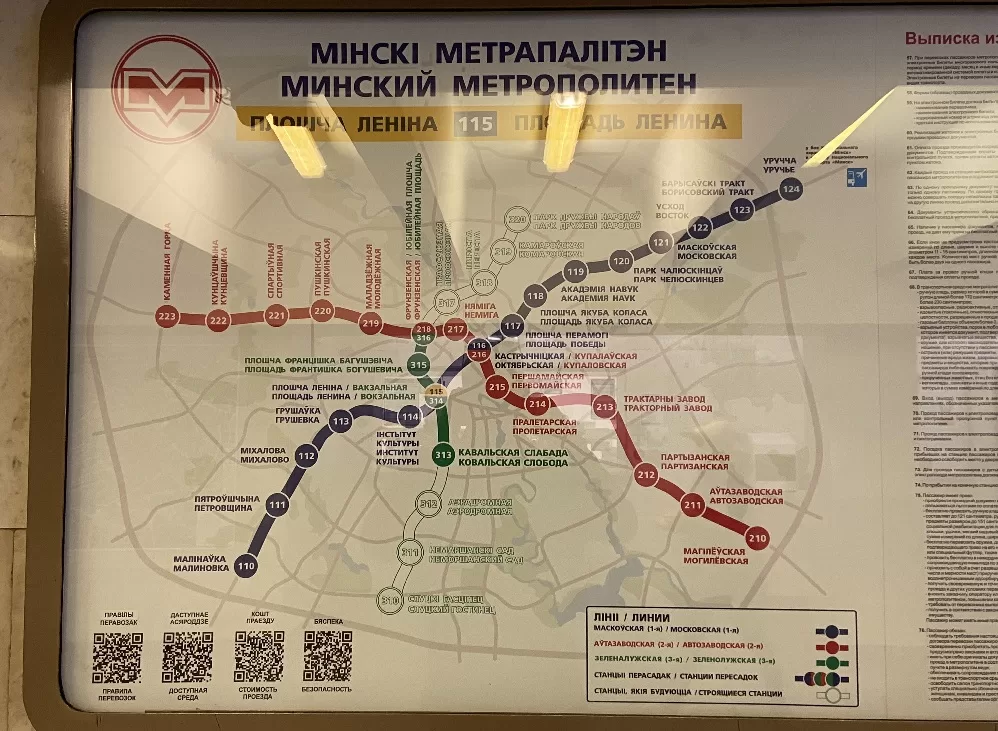
If you need to travel beyond walking distance, then the Minsk metro is the best way to get around the city. It consists of three metro lines with a total of 36 stations. Each station and train has a detailed map to help you navigate your way around, and the trains are clean. The metro operates from 05:30 – 00:40, and a single ticket costs 0.90 Rubles (£0.21) or you have the option to purchase travel cards for a certain number of days or trips. Tickets are purchased on site, from the person operated counters at each station.
Alternative ways of getting around Minsk include express buses or taxis; you can either use local taxis or use the Yandex App.
Where to stay in Minsk
Minsk is very affordable when it comes to places to stay, even in the city centre. If you’re a budget traveller a basic, clean hotel starts from around £25–£40 per night, many within a few minutes’ walk of a metro station. I used Hotels.com and ZenHotels.com to look for accommodation – bear in mind you won’t find Belarus on all booking platforms.
I stayed at IT Times Hotel, which was several metro stops from the city center; the cost and ease of getting back into the centre by metro were the main reasons why I chose it. Find out more about my experience at IT Times hotel below.
Wherever you decide to stay in Minsk, as long as you make sure you are close to any metro stop on the red or blue line, getting around the city is quick and affordable. If you want to be within walking distance to cafes, parks, Soviet landmarks, and nightlife I’d recommend staying near Nemiga, Victory Park, or anywhere along Independence Avenue.
If you’re after a bit more comfort, mid-range to luxury options cost between £45–£140+, and you’ll obviously get a lot more for your money staying in the slightly more expensive hotels.
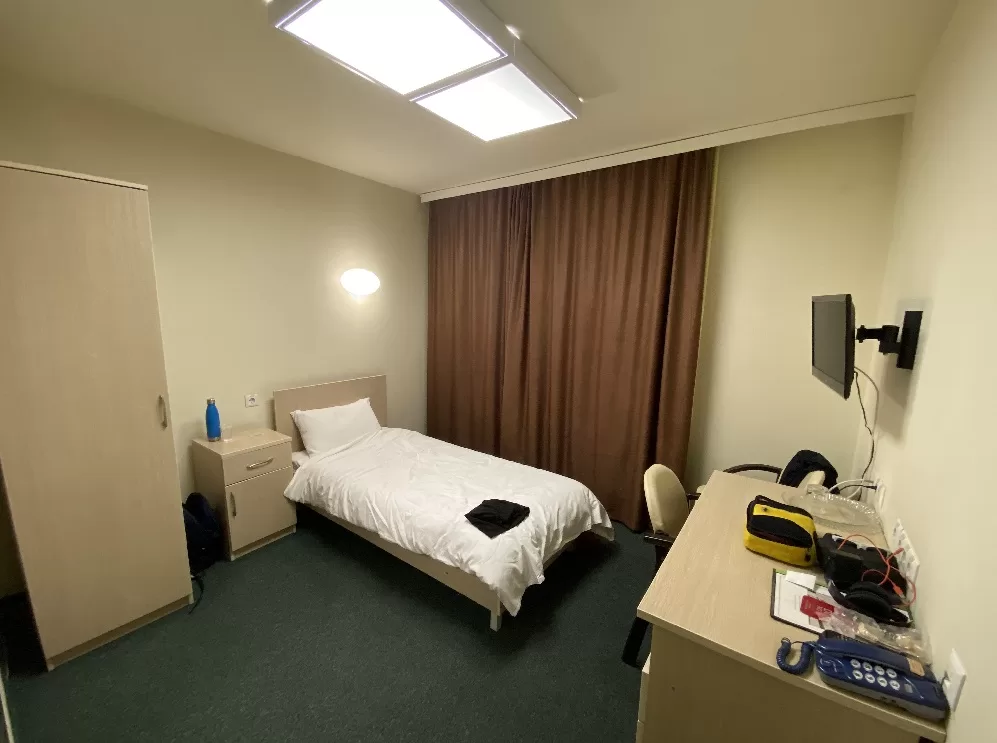
Where I stayed in Minsk
Name: IT Times Hotel
Accommodation Cost: £21.50 (Hotels.com Link: IT Time Hotel)
IT Time Hotel is an ideal place to stay if you’re travelling on a budget and don’t mind being just outside the centre. Rooms are simple but clean, quiet, and start from around £25 a night. It’s in a quiet area about 15–20 minutes walk from Uručča metro station, and there’s free Wi-Fi, a small café offering good food, and friendly staff who were very helpful. If you’re after a budget friendly hotel that won’t stretch your budget, this is a great option.
Where to eat in Minsk
Across Belarus, including Minsk I found many traditional restaurants cooking soups, stews and heart potato based dishes. Some of the most popular dishes on menus are Draniki, a staple in Belarussian cooking of potato pancakes served alongside sour cream or the traditional Machanka, a rich meat stew that’s served with pancakes or dumplings. Also similar to Draniki is Babka, hearty soups like mushroom or beetroot and Zrazy, which are beef rolls filled with vegetables. You won’t be short of options for your taste buds.
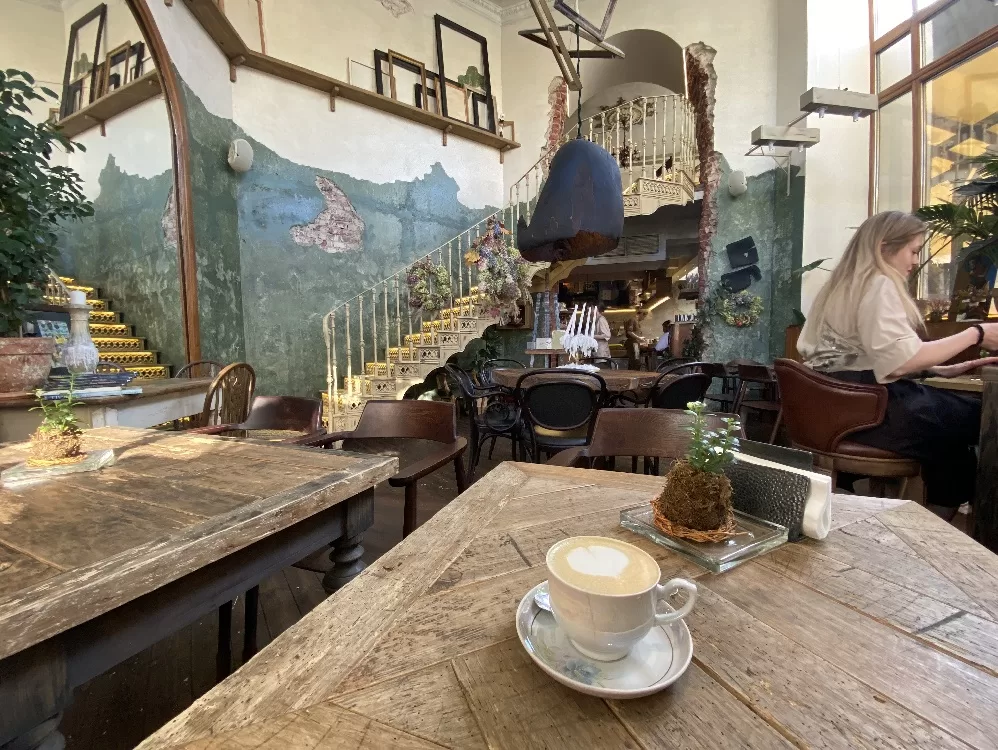
For any coffee lover, Minsk has a growing coffee scene and you can find a variety of places to try from specialty coffee to themed cafes. Coffee 26 located in a Stalin-era building near the central bus and train station is the perfect place to check whether you’re in need of a caffeine fix after a long journey, or wanting a hearty breakfast to start the day. Another great place I went for breakfast is Monemane, which is highly recommended at any time of day, and is known for serving incredible food, but if you are looking for local food I would go elsewhere. I enjoyed a breakfast of bacon, eggs, and a beautiful coffee.
I ate at Kamyanitsa Restaurant for my visit in October 2024 and thought it was excellent, especially if you love hearty Slavic food. When I arrived on a busy Friday the helpful staff found me a table tucked in the corner of this Medieval styled tavern. Traditionally dressed staff, stone walls, stained‑glass windows and wooden furniture created a cosy, and immersive atmosphere. What stood out for me was the food, with its generous sized portions and good selection of traditional Belarusian dishes, it offered great value for money considering it’s one of the more popular places to eat in Minsk.
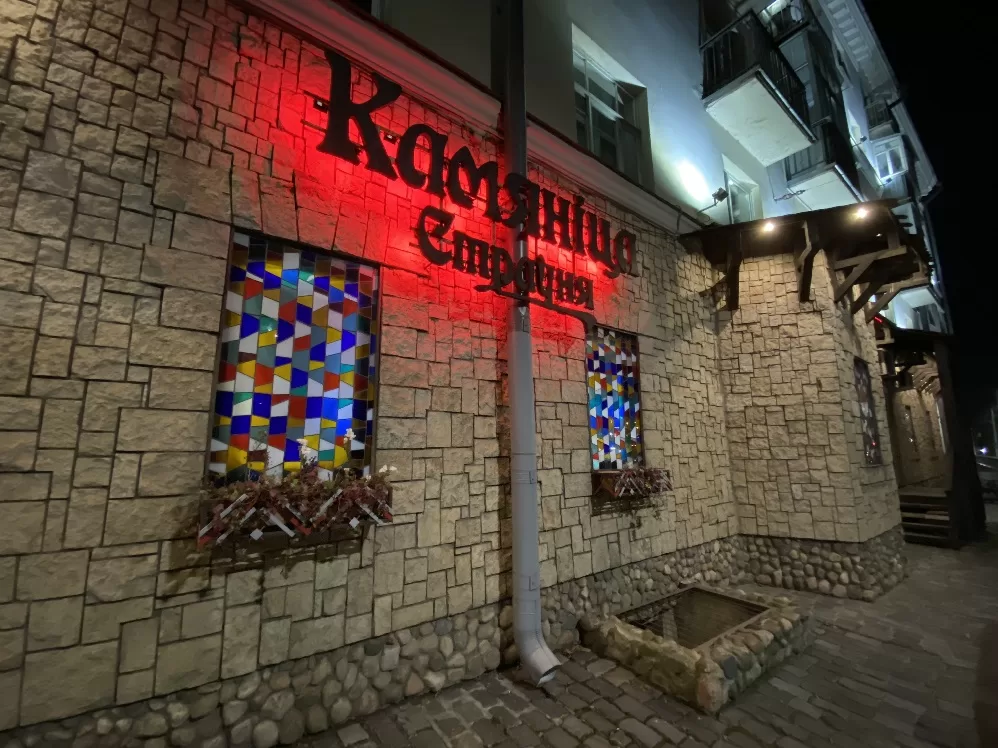
In short, Kamyanitsa delivers on atmosphere, taste, and value. It’s ideal for travelers craving a genuine Belarusian feast, and somewhere that makes an evening meal feel like a cultural story.
Top five things to do in Minsk
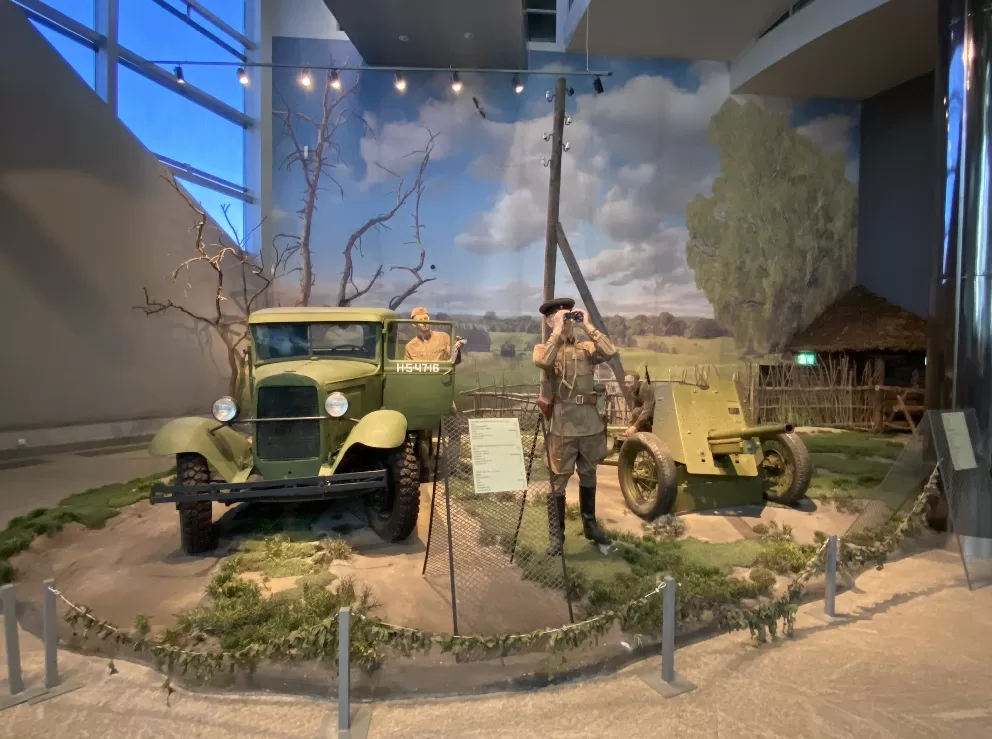
- Belarusian State Museum of the History of the Great Patriotic War. This is one of the most fascinating museums I have visited. The impressive exterior continues inside and its exhibits cover Belarus’s role in WWII, also known as the Great Patriotic War where one in three lost their lives. It has an impressive mix of Soviet-era displays including Stalinist classical style installations; you get to walk through 28 themed exhibits in ten main halls. Information was available in English, an audio guide was available and some were interactive. Your visit ends atop the Hall of Victory representing a glass dome of the Reichstag Building where the Soviet soldiers placed the Victory Banner in 1945.
Note: To reach the museum I took the metro to Niamiha Station on Line 2, and from there it was a 1.9km walk. Tickets cost 13 BYN (£3), and remember the museum is closed on Mondays.
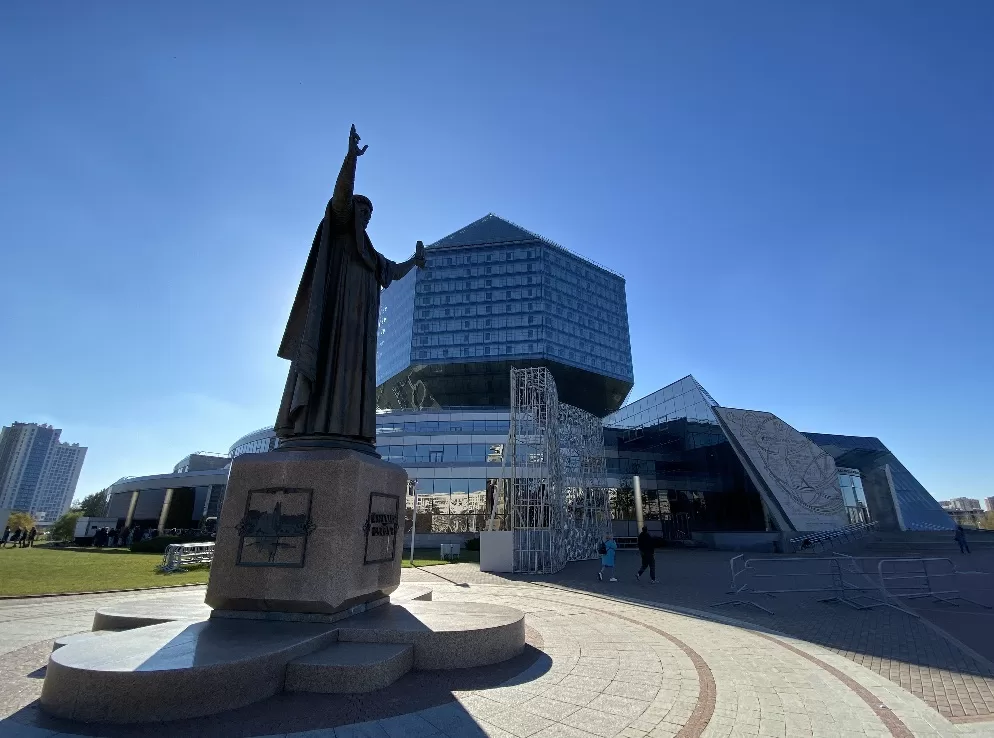
- Visit the National Library of Belarus. I’m not the kind of person that often reads a book, but a visit to Minsk’s National Library was something that was interesting to visit. The library’s main building is in the shape of a rhombicuboctahedron (26 faces, consisting of eight equilateral triangles and 18 squares) and draws you in as soon as it comes into focus surfacing from the metro station exit. You pay a small fee to enter, wander the third largest collection of books in Russian, and can take the lift to the rooftop observation deck for panoramic views over the city.
Note: The Belarus National Library can be reached by taking the metro to Uschod Station on the 1st line.
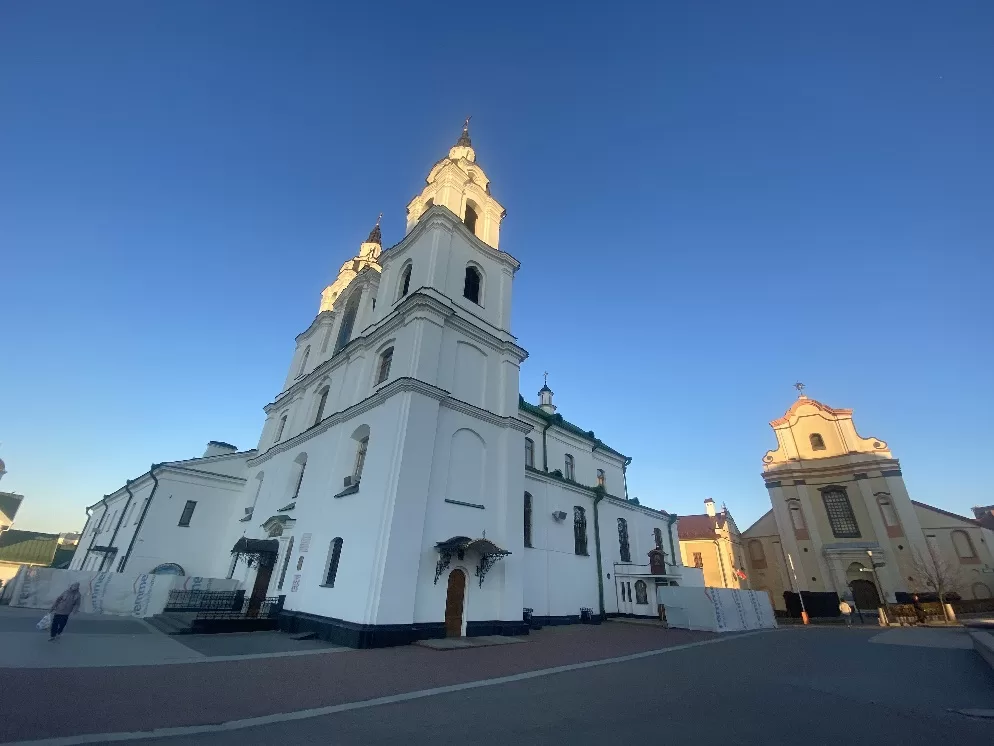
- Wander Minsk Old Town. The Old Town is set aside from the city centre, it shows a different side to Minsk. There are cobbled streets, churches, museums and lively cafés along the Svislach River make it a great place to walk, especially at night. It’s small enough to explore in an afternoon. I’d especially recommend a visit to the Holy Spirit Cathedral, if you like religious architecture.
Note: You can walk here from the Niamiha Station on metro Line 2, just follow directions for Holy Spirit Church.
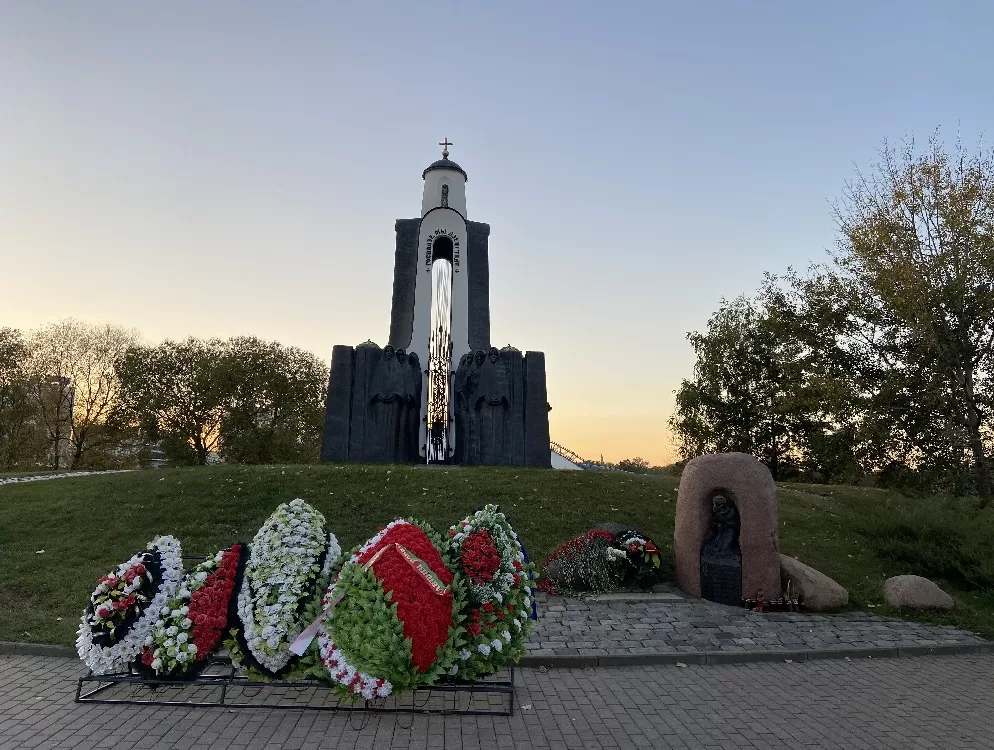
- Island of Tears. The Island of Tears is within walking distance of the Old Town of Minsk, tucked away on a small island, on the Svislach River. This is a memorial to the Belarusian soldiers who died during the Soviet-Afgan War. At the centre stands a white stone chapel, surrounded by grieving faces of mothers, widows and sisters carved into its walls. You’ll also find bronze figures of weeping angels, representing the young lives lost. This is a haunting reminder of conflict set in the backdrop of peaceful surroundings.
Note: You can reach the Island by footbridge and after a day of sightseeing it’s the perfect place to sit down, reflect and take in the city views as the sun sets.
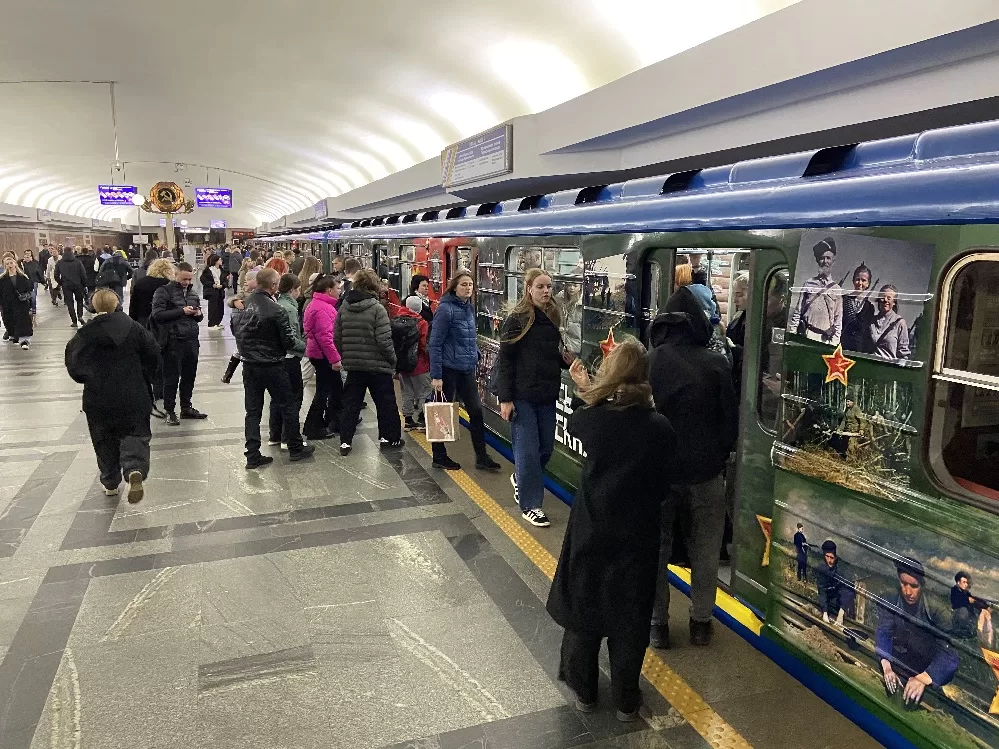
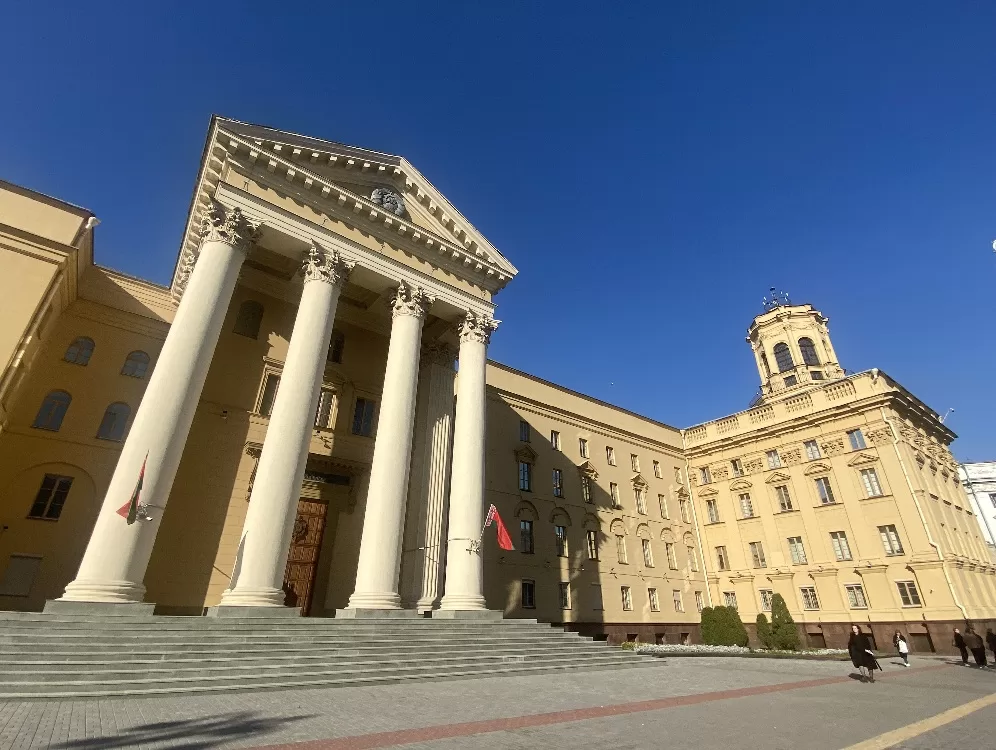
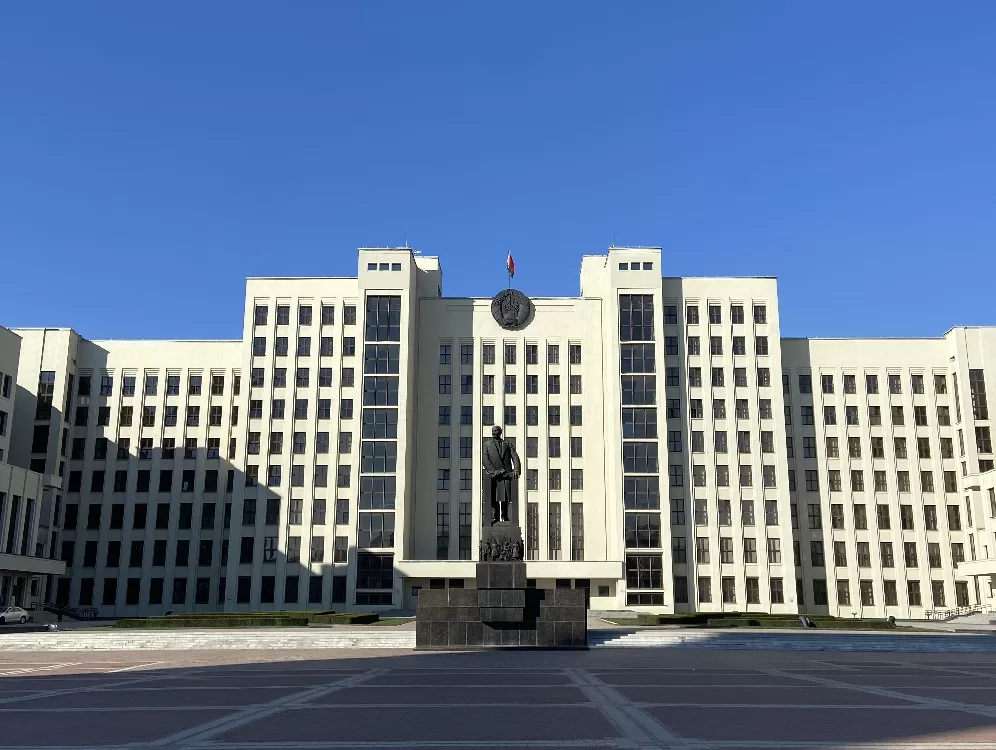
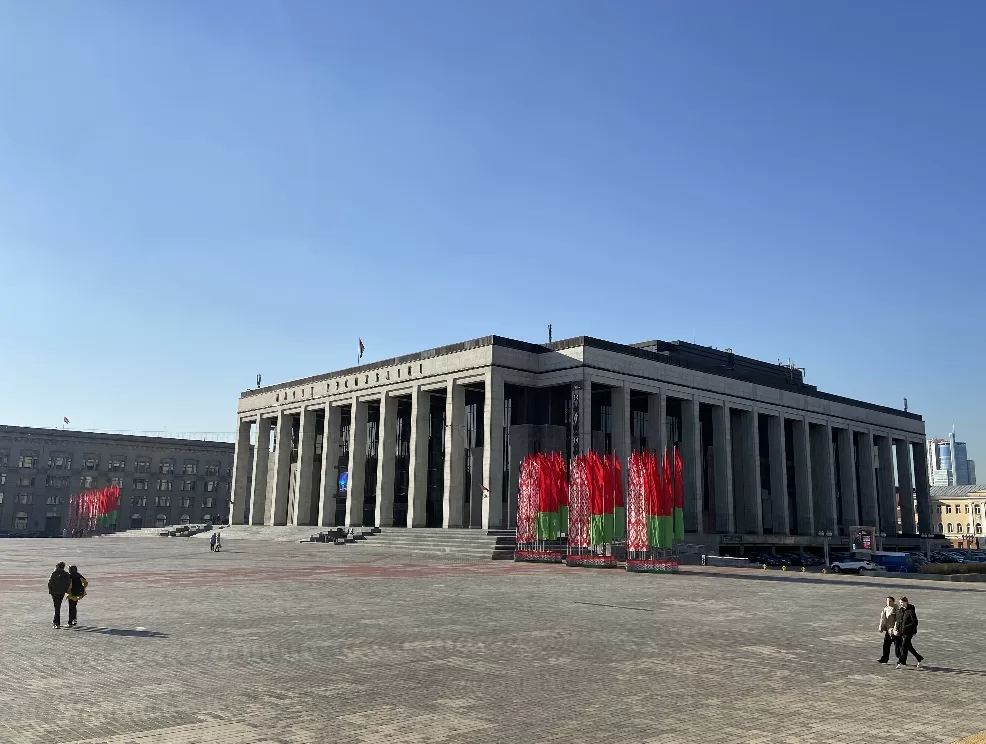
- Travel the Minsk Metro & Admire Soviet Architecture Riding a metro isn’t often listed on a “top things to do list”, but the metro in Minsk deserves to be here. It was opened in the Soviet era, and it provides a fast and cheap way to explore. It’s home to impressive stations which are decorated with chandeliers, mosaics, and huge marble columns… It’s a bit like stepping into an underground time capsule. In between metro stops you can see examples of Soviet city planning in Minsk’s architecture – which was entirely rebuilt after WWII.
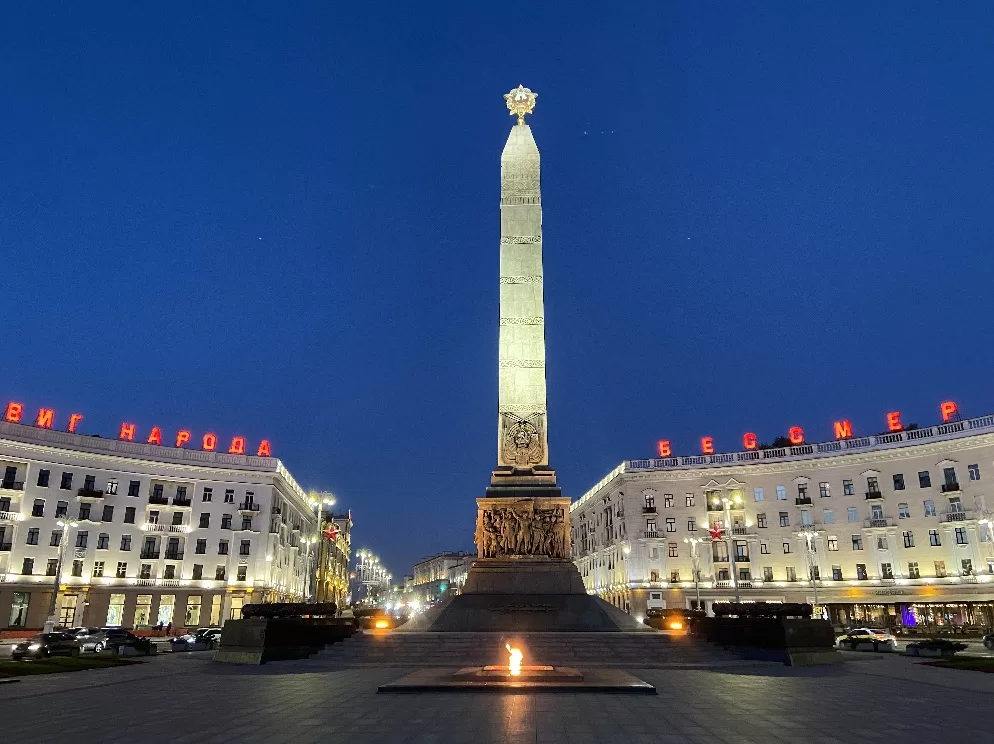
There are massive boulevards, grand public meeting areas like Victory Square, October Square and Independence Square (originally known as Lenin Square), and imposing buildings which give the city an almost cinematic atmosphere. Even if architecture isn’t your thing, the sheer scale is awe-inspiring.
6. Visit the National Art Museum. This is one I didn’t actually get time to see while visiting Minsk, but I’ve heard great things about it. It’s definitely a must see if you’re interested in Soviet history. The exhibitions vary based on when you visit but you can pretty much guarantee a wealth of Soviet murals (it’s worth noting that there are also soviet murals dotted around the city), and other Stalinist classical style works.
A hidden gem of Europe
Minsk might not shout “weekend city break” the way that other Rome does, but that’s exactly why it’s worth your time.
In just 36 hours, I rambled through historic old streets and stood in the shadow of colossal Soviet architecture. I rode a metro that felt more like an underground palace, ate incredible plates of food designed to power you through a Belarusian winter! I came to the realisation that Minsk doesn’t ‘try’ to be anywhere else, and that’s what made it unique.
If you take anything from this post it should be to go now, while it still feels like one of Europe’s best-kept secrets.
3 comments
Trevor Warman
Adam, this is a great post, very informative. I visited in 2018, using the 5-day visa, which was what was available then.. which gave me 3 full days, one of which saw me going to Mir and Nesvizh.. Minsk is a great city!!!
Rebecca Halpern
This sounds fantastic, just the sort of place I’d really enjoy. I was lucky enough to go on a school trip to Russia many years ago and have been fascinated by all the old Soviet stuff ever since.
Trevor Warman
One of my fav regions for travelling in too. Have you been to many former soviet states?