
Spending just 12 hours here might not sound like enough time – but it can be. Grodno is compact, walkable, and easy to explore. The city has a handful of historic landmarks, a lively Old Town, and plenty of places to eat and drink. It’s a city that left an impression on me long after I left.
Grodno – situated on the western edge of Belarus – feels like it’s balancing between two worlds.
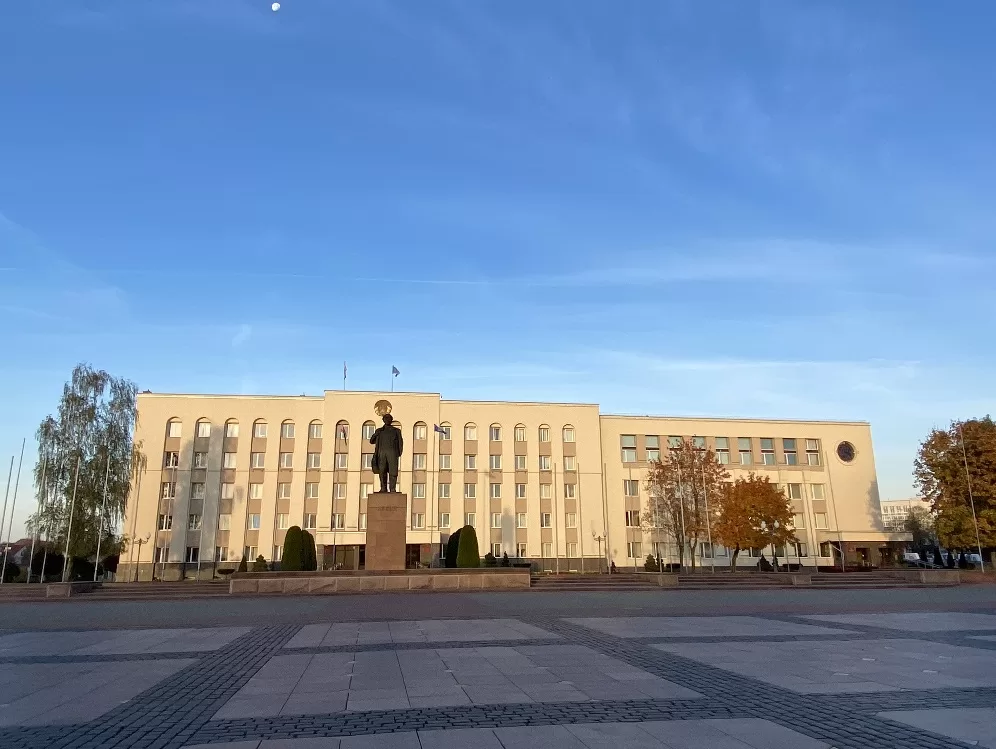
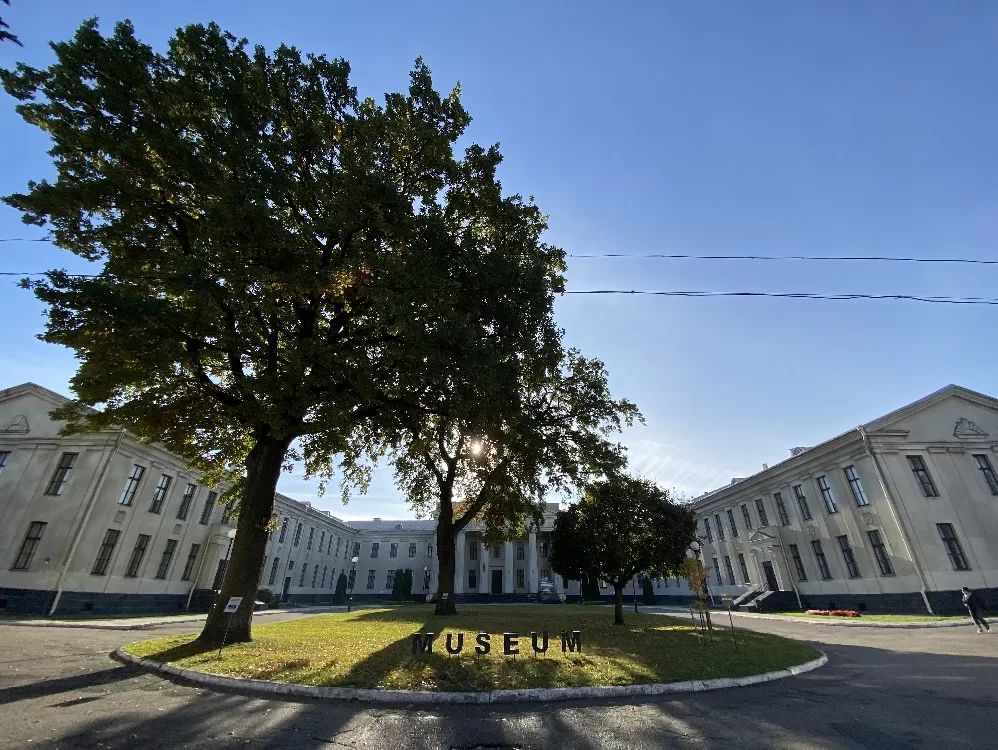
There are the Soviet blocks and Orthodox churches common across the country, interspersed with cobbled streets, and lively cafés. Everything about the place reminds you of its Polish and Lithuanian neighbours across the border. Grodno is a compelling mix of both Eastern and Central Europe. Its very proximity in relation to its neighbours has shaped Grodno’s development and culture for centuries; you can feel it when wandering the streets. Grodno looks and sounds a little different from the rest of Belarus.
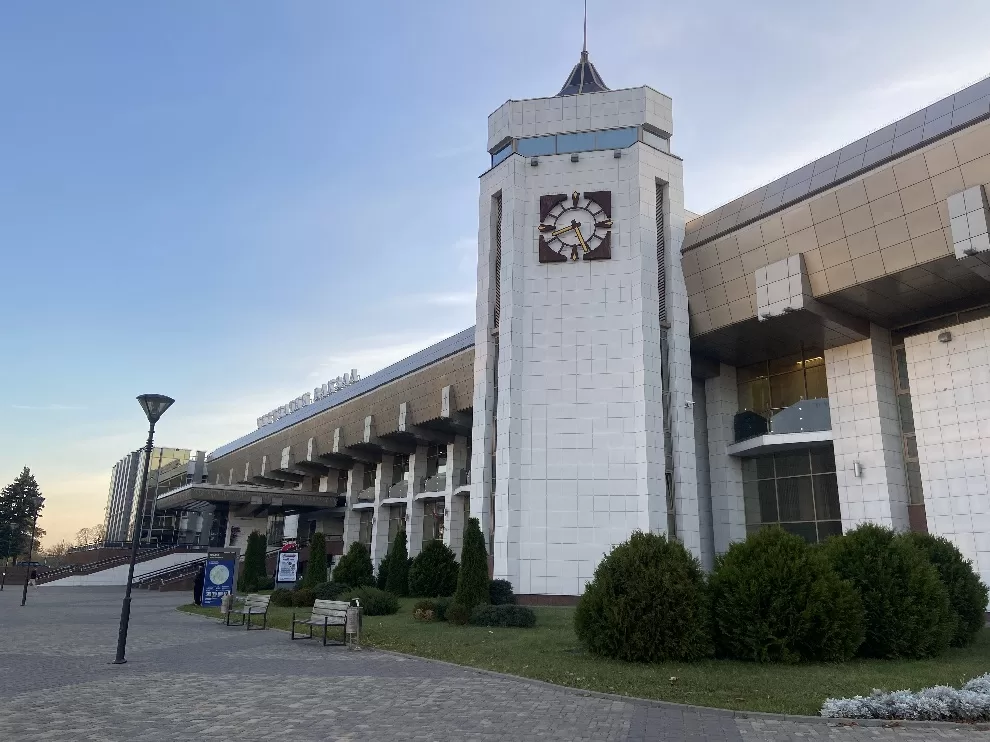
What to know about visiting Grodno
- Visas: From 08:00 on 19th July 2024, Belarus extended its visa-free entry (30-day visa) on its land borders, to include 35 more European countries, which already included Latvia, Poland and Lithuania. The visa-free entry by air is still in place, although limited flights operate, as well as the short stay transit visa. Previously people haven’t needed a visa for the Brest and Grodno visa-free regions, but now you can visit the entire country – Minsk included, regardless of your country of origin. This policy was only supposed to be in operation until 31st December 2024, but it’s now been extended by another year until December 31st, 2026. For more details on the visa and entry process, click here.
- Travel Insurance: Most foreign governments will advise against travelling to Belarus, which means you will need to buy mandatory travel insurance. There are two travel insurance providers in Belarus via which you can make an online purchase. I wasn’t asked to show evidence of having insurance. Nonetheless, I recommend making sure you have cover – and evidence of it. Click here for more information on the providers in Belarus.
- Safety: During my time in Belarus I felt completely safe, both day and night. The locals were friendly, and were always more than happy to help if I had any questions.
- Money: Carry some cash in Belarusian rubles, as cards aren’t accepted everywhere. Use official exchange offices or ATMs for the best rates. Keep small notes handy for local transport, markets, and public toilets.
- Language: English is spoken, but it can be limited. I’d suggest having Google Translate to hand, or perhaps do a crash course in Russian – this would be useful!
- Passport: You’ll likely need to show your passport when travelling by train and bus (especially crossing the land border with Lithuania), but I also recommend carrying your passport with you when exploring cities, and attractions. I don’t usually do this, but I did in Belarus.
- Documents: While I was able to show digital versions of train/bus tickets, having paper copies on hand is a good backup in case they’re needed.
- Opening Hours: Opening times to attractions tend to vary – I did notice some were closed on Mondays and Tuesdays.
How to get to Grodno
- Flying – From December 2021, there are no regular scheduled services at Grodno airport, so Minsk National Airport would be your only entry point by plane and then travel by either train or bus. You can read about flying into Minsk here, and find out how I spent 36 hours in the Belarussian capital.
- Train – Grodno is connected to both Minsk and Brest by train, the latter being a 12 hour night train, which was my method of transport travelling between Brest and Grodno, and I wrote about everything you need to know here, including how to buy tickets, cost and my overall experience. From Minsk, the train takes around five hours and is by far the most relaxed way to travel, tickets can be booked on the official Belarussian Railways website. The fastest train takes just under four hours, and costs £6.
- Bus – There are over 10 buses a day from both Minsk & Brest Bus Stations, with the travel time ranging from 3-5 hours, and tickets costing between £10-14. Tickets can be bought in advance via InfoBus. I used this website to book my Grodno to Vilnius bus ticket, and had no issues with it. Another option is to take a bus to Poland, including Białystok, and Warsaw around seven hours away – though bear in mind the Polish border is notorious for its long delays, and via Lithuania is known for being a much smoother crossing. Check out my blog post about travelling between Minsk and Grodno to Lithuania by bus, for information about how to buy tickets and tips for crossing the border.
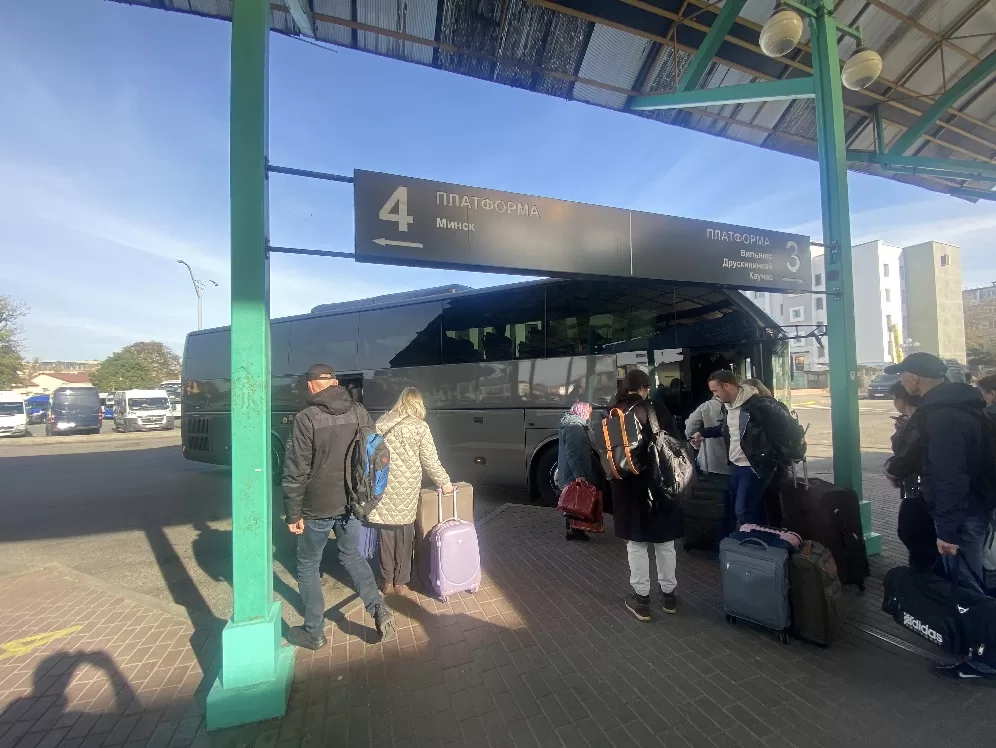
Public transport and travel in Grodno
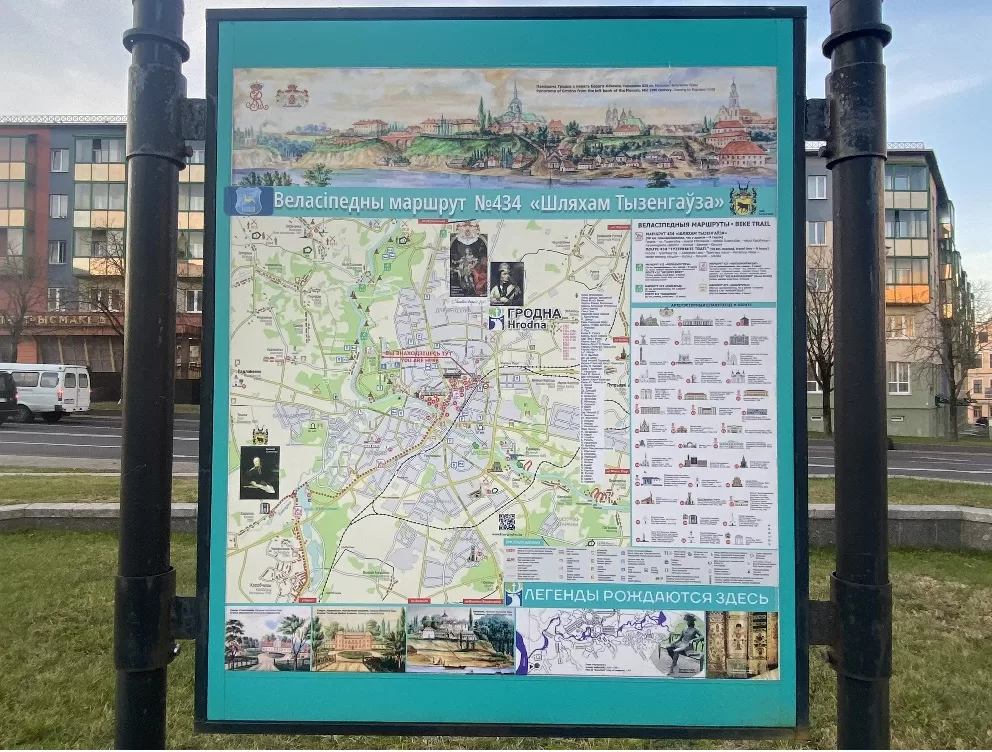
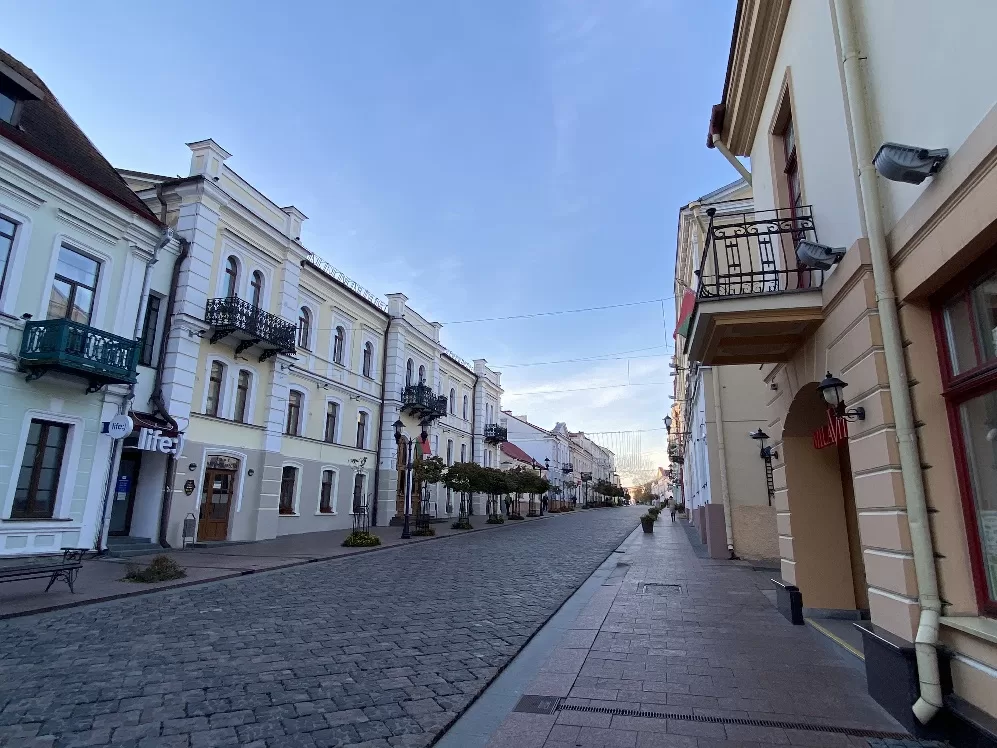
One of Grodno’s biggest appeals – especially on a short visit – was how easy it is to get around. The Old Town is compact, and has Sovetskaya Street as its pedestrianised centre. Most of the main attractions are within walking distance. I found that wandering on foot was the best way to explore the cobbled alleys, architecture, and local life in its cafés.
If you need to travel outside of the city centre to the riverside Kalozha Church, taxis are affordable and reliable, easily ordered through the Yandex Go App. For a short stay, all I needed to see the main sites was a comfy pair of shoes.
Where to stay in Grodno
If you’re planning on staying overnight, Grodno has plenty of accommodation options that suit budget-conscious travellers. Small guesthouses and hotels are scattered across the centre, starting from £30 a night. However it should be noted that sites like Booking.com and Hotels.com offer very few advance-booking opportunities. I’d strongly recommend using ZenHotels, if you want to book in advance.
If you’re only here for a short stay, location is key. Choose somewhere within walking distance of Sovetskaya Street, and you’ll be perfectly placed to make the most of your time here.
Where to eat in Grodno
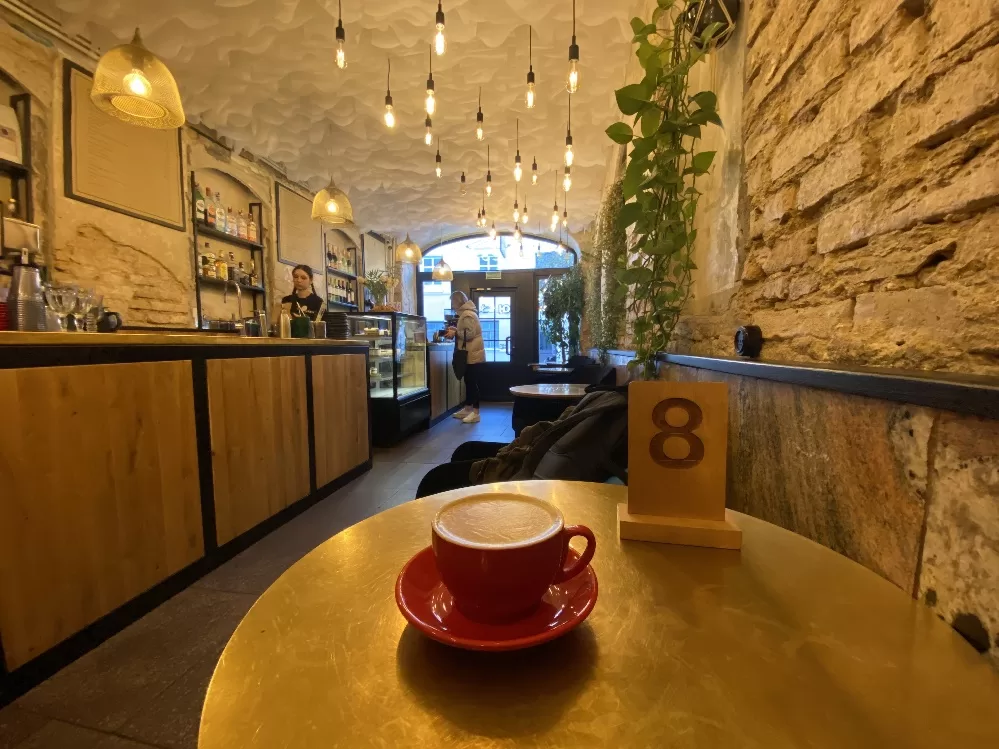
I arrived in Grodno on the night train from Brest, slightly tired but excited to explore the city. My first stop was Dzhezva, a small coffee shop, tucked away on Sovetskaya Street in the heart of the Old Town – it’s only a short walk from the train station. Dzhezva is a cozy and relaxing spot, perfect for a tasty coffee, and taking the weight off your feet. I sat by the window with my first proper coffee of the day, and it was exactly what I needed before heading out to explore Grodno.
Dzhezva usually opens from 8:00 AM, so it’s a great option if you’re arriving early and need a caffeine fix before the city wakes up.
As I only had a short time in Grodno, I didn’t have the time to experience its food scene. I had to scramble for food on the go, whilst exploring. I’d definitely come back for an overnight stay and check out the eateries. The food had a familiar look and feel to the food in other parts of Belarus, but with a few local twists. Draniki, crispy potato pancakes arrive with sour cream, and kolduny (dumplings) which are stuffed with meat or mushrooms. They were perfect for a quick, tasty and filling lunch.
Top five things to do in Grodno
- Kalozha Church of Sts. Boris and Gleb
This small riverside church which dates from the 12th century is one of the oldest surviving buildings in Belarus. Its weathered brickwork, decorated with stone inlays, has endured centuries of floods, and wars. It has a simple interior, but the setting above the Niemen River makes it unforgettable.
- The Old Castle and New Castle
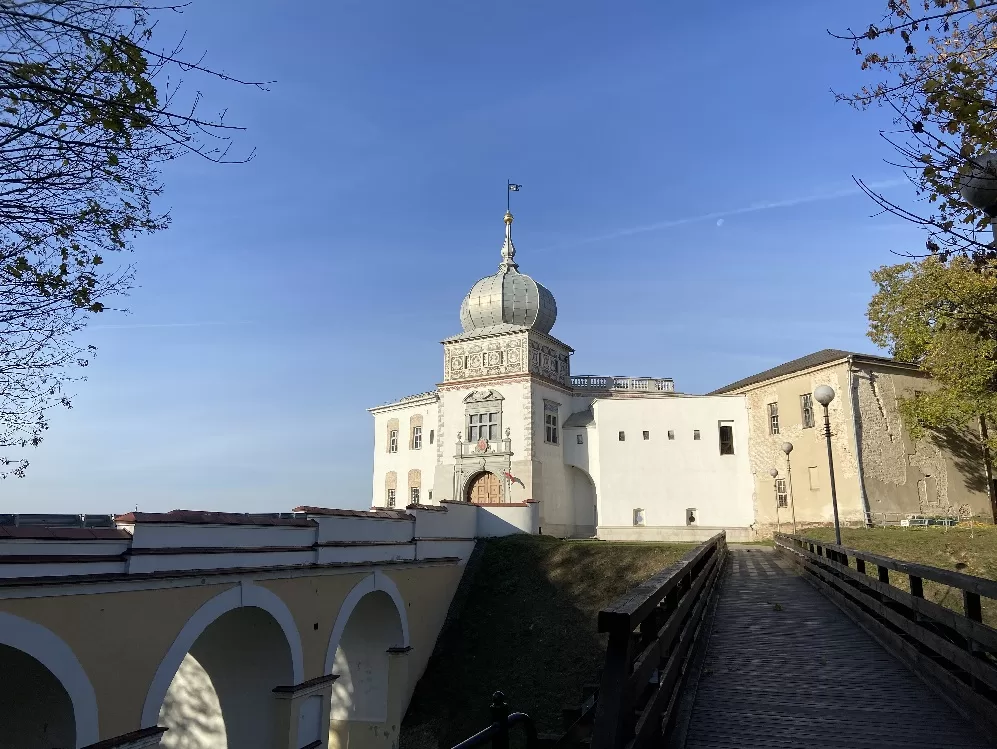
Grodno has two castles, standing almost side by side. The Old Castle dates back to the medieval era and is currently undergoing restoration, though its foundations and setting are still worth seeing. Next door, the New Castle represents a later chapter in Grodno’s history, a more imposing 18th-century structure with ties to the Polish–Lithuanian Commonwealth.
- Jesuit Cathedral of St. Francis Xavier
The turquoise towers of this baroque cathedral are hard to miss, as they dominate the Old Town skyline. Inside, this particular building rivals anything you’d find further west. It’s a reminder that Grodno has long been shaped by influences beyond Belarus’ own borders.
- Sovetskaya Street
Every Belarusian city has a central gathering point, and in Grodno, that’s Sovetskaya Street. This street is pedestrianised and lined with buildings – it’s the perfect place to stroll, shop, or sit down at a café terrace. In the evening, families, couples, and students will gather here. This gives the street a lively but laid-back atmosphere.
- The Niemen River and Parks
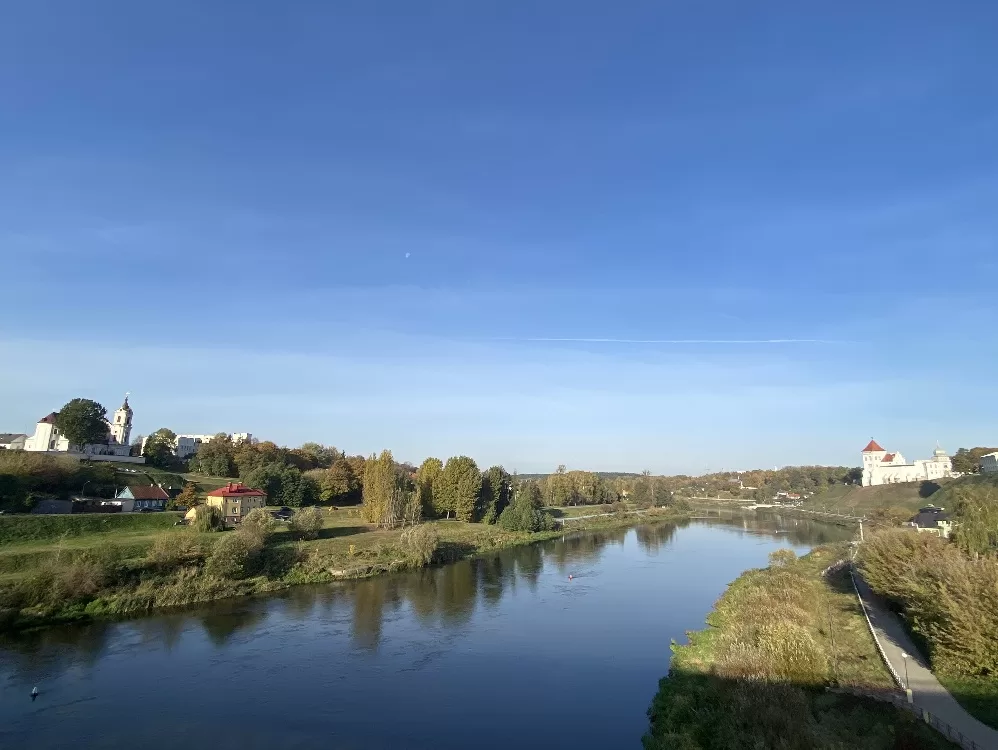
If you need a break from sightseeing, I’d suggest heading to the Niemen River. Its wide, meandering flow cuts through the city and offers peaceful views from its embankments. Giliber Park, nearby, is another local favourite. It’s a leafy, relaxing space where you can slow down and soak in the atmosphere of the city.
Centuries of history in just 12 hours
Grodno probably isn’t going to be top of your Belarus itinerary, but it should be. In just 12 hours, you can experience centuries of history, wander its pastel-coloured streets, eat your fill of Belarusian food, and enjoy a pace of life that’s far calmer than Minsk. It feels a familiar yet different Belarus, through a slightly more European lens.
Whether you’re arriving on a day trip, crossing the border from Poland or Lithuania, or just curious to see another side of the country, Grodno is the kind of city that genuinely surprises you. It’s small, charming, and full of character.
Grodno proves that sometimes the most interesting places sit quietly on the edges of the map.
1 comment
Trevor Warman
Hi Adam, would live to have explored Belarus for a longer period. Grodno sounds a great place. Thanks for sharing.