
Brest is situated in the south-west corner of Belarus in Eastern Europe, and is close to the border of Poland, and the Polish border city of Terespol. Before the Russia-Ukraine War there used to be a train service connecting the two border cities, but since 2023 it’s been suspended.
Before the (newly implemented) changes of visa-free travel across the whole of Belarus, there was the ‘Brest tourist region’. This was where European Union citizens and citizens from some other Western countries could enter the region for up to 15 days visa free, and a tourist ‘voucher’ was issued for a small cost – instead of a visa.
Over the centuries, Brest has changed rulers on more than occasion from the Grand Duchy of Lithuania to Poland, and Russia, and Germany. The most interesting part of its history – in my opinion – came in 1941, when the Brest Fortress successfully held out against a Nazi invasion.
Nowadays the city is peaceful with an architectural mix of Polish and Soviet Union influences.
What to know about visiting Brest in 2026
- Visas: From 08:00 on 19th July 2024, the Belarusian government extended its visa-free entry (30-day visa) on its land borders, to include 35 more European countries, which already included Latvia, Poland and Lithuania. The visa requirements by air is still in place, although limited flights operate, as well as the short stay transit visa. Previously people haven’t needed a visa for the Brest and Grodno visa-free regions, but now you can visit the entire country – Minsk included, regardless of your country of origin. This policy was only supposed to be in operation until 31st December 2024, but it’s now been extended by another year until December 31st, 2026. For more details on the visa and entry process, click here.
- Travel Insurance: Most foreign governments will advise against travelling to the Republic of Belarus, which means you will need to buy mandatory medical insurance. There are two travel insurance providers in Belarus via which you can make an online purchase. Click here for more information on the providers in Belarus.
- Safety and Security: During my time in Belarus I felt completely safe, both day and night. The locals were friendly, and were always happy to help if I had any questions. Customer service was excellent across the board whenever I sought information.
- Money: Carry some cash in Belarusian rubles, as cards aren’t accepted everywhere. Use official exchange offices or ATMs for the best rates. Keep small notes handy for local transport, markets, and public toilets.
- Language: English is widely spoken, but it can be limited. I’d suggest having Google Translate to hand, or perhaps do a crash course in Russian – this would be useful, as it’s the predominant Belarusian language.
- Passport: You might need to show your passport when travelling by train and bus (especially crossing the border control with Lithuania), but I’d also recommend carrying your passport with you when you’re exploring. I don’t usually do this, but I did in Belarus.
- Documents: I was able to show digital versions of train/bus tickets, but having paper copies on hand is a good backup in case they’re needed.
- Opening Hours: Opening times to attractions tend to vary – I did notice some were closed on Mondays and Tuesdays. It’s worth taking the time to check the attractions you want to see, because – for example – the popular Belarusian State Museum of the History of the Great Patriotic War in Minsk is closed on Mondays.
- Time Difference: If you are travelling from Poland into Belarus, remember that Belarus doesn’t observe daylight savings time, so there will be a time difference of either one or two hours depending on the time of year.
Border crossings to Brest
- Flying – Brest International Airport only operates flights on transport corridors from Moscow and St Petersburg. Minsk National Airport is the entry point for international flights, and the home of national carrier Belavia. All flights between the European Union have been suspended since 2021, Minsk National Airport offers links to Turkey, China, Russia, Central Asia, Middle East and the Caucasus. There are all the usual facilities similar to any international airport, and you can reach the city centre by bus/minibus or taxi. Official taxis are a fixed price, or the app Yandex also works. You can find further information on transport options here. From here you would need to take a connecting train to Brest, and you can find out more by reading about my experience travelling from Minsk to Brest by train here.
- Train – In terms of country border crossings international trains that are still operating into Belarus are to/from Russia; there are several daily trains to cities such as St Petersburg and Moscow. There were no international trains operating to any other countries at the time I travelled, but you can travel by train to Terespol, Poland and cross the border into Brest, Belarus. You can also take a train from Minsk, or many other cities in Belarus. Read about my experience travelling from Minsk to Brest by train here.
- Bus – There are two daily buses from Warsaw Zachodnia to Brest Central Bus Station travelling with the Polish company EuroTicket, which cost between 30-35 Euros and have a travel time of 6-7 hours. You can book tickets online. I travelled to Brest via Minsk, and you can find out more about how I travelled by Bus to Minsk from Lithuania and took the train to Brest click to see my other Belarus posts here.
Getting around Brest
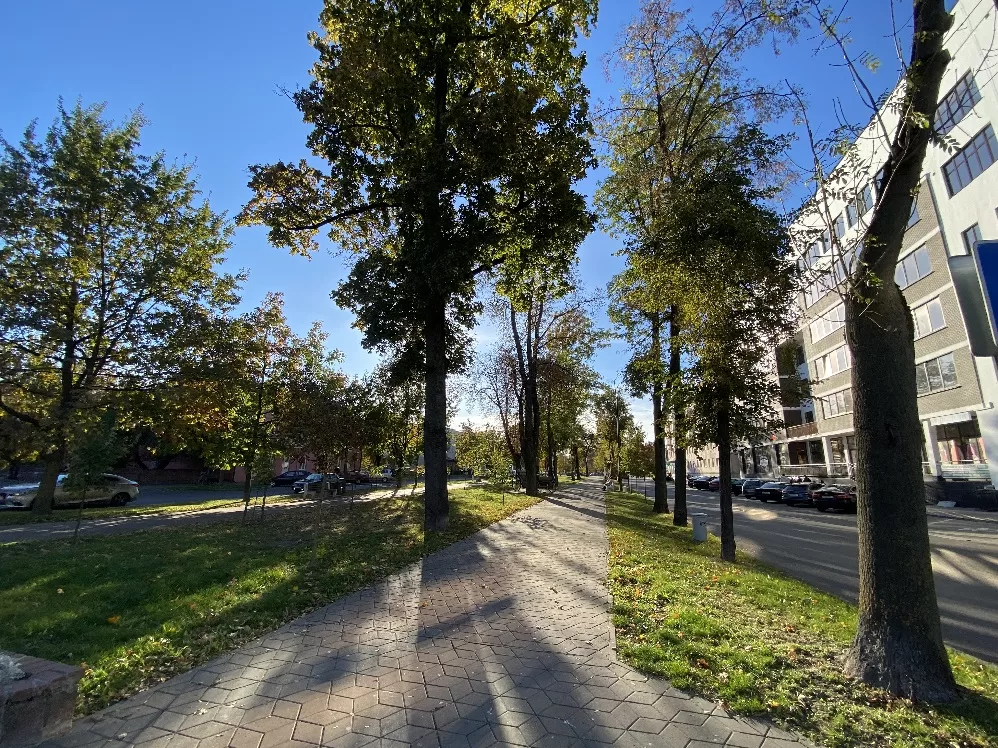
Brest is small in comparison to Minsk, so you can visit all of the main attractions on foot as they are all within a reasonable distance. There are local buses, trolley-buses and marshrutkas spread out across the city, and taxis are easy to order – if you fancy an easier trip.
Where to stay in Brest
There is accommodation in Brest to suit all budgets – the cost is similar to Minsk. Prices start from under £20 for super-budget and up to £75 for mid-range accommodation. There are plenty of options across that range in the city centre.
As for third party booking platforms, Hotels.com and ZenHotels are the only two which allow you to book accommodation in advance. The alternative is searching on Google Maps and contacting hotels directly.
You’ll probably arrive in Brest by train or bus, so I would suggest staying within that area.
Where I stayed in Brest
Name: Hostel City
Accomodation Cost: £11 (ZenHotels Link)
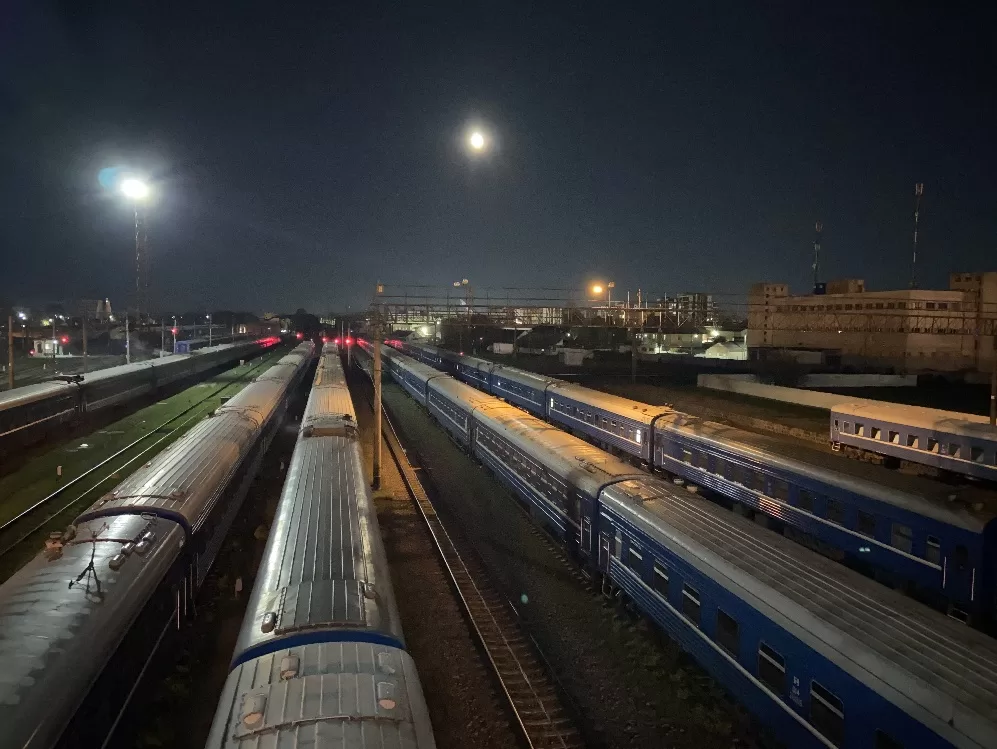
If you are a train enthusiast, Hostel City is the perfect place to stay.
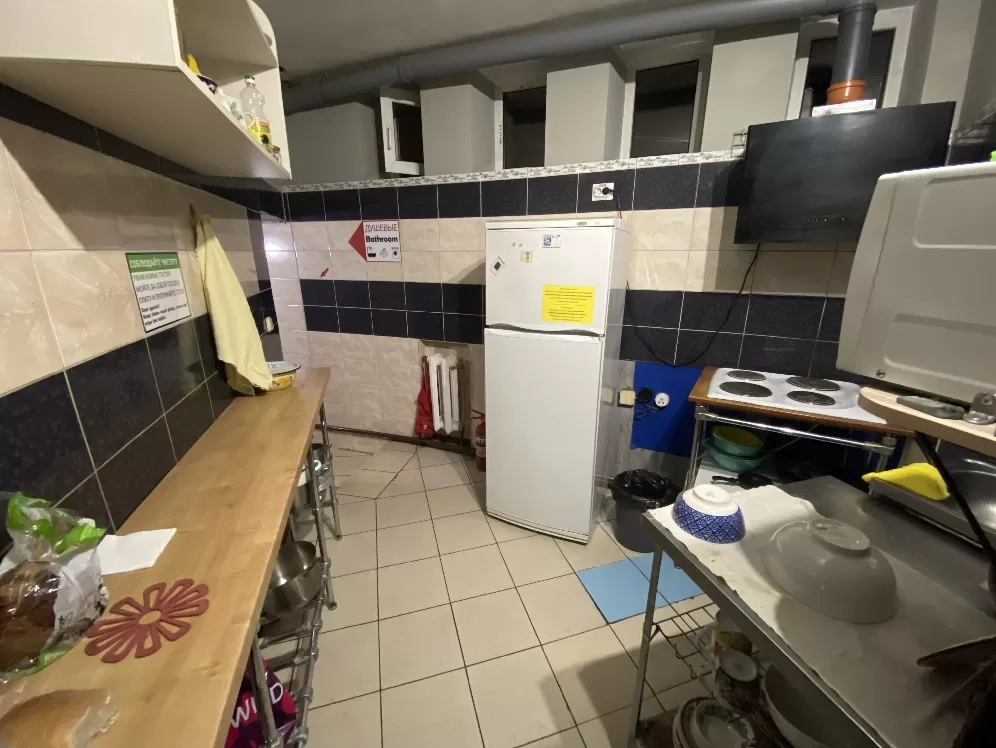
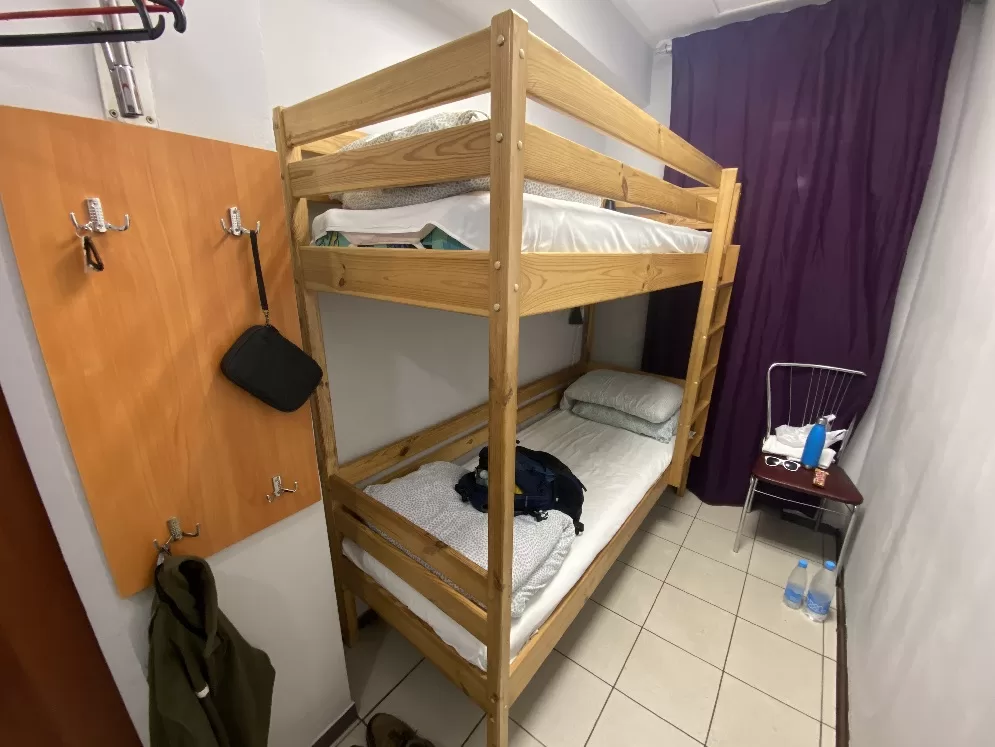
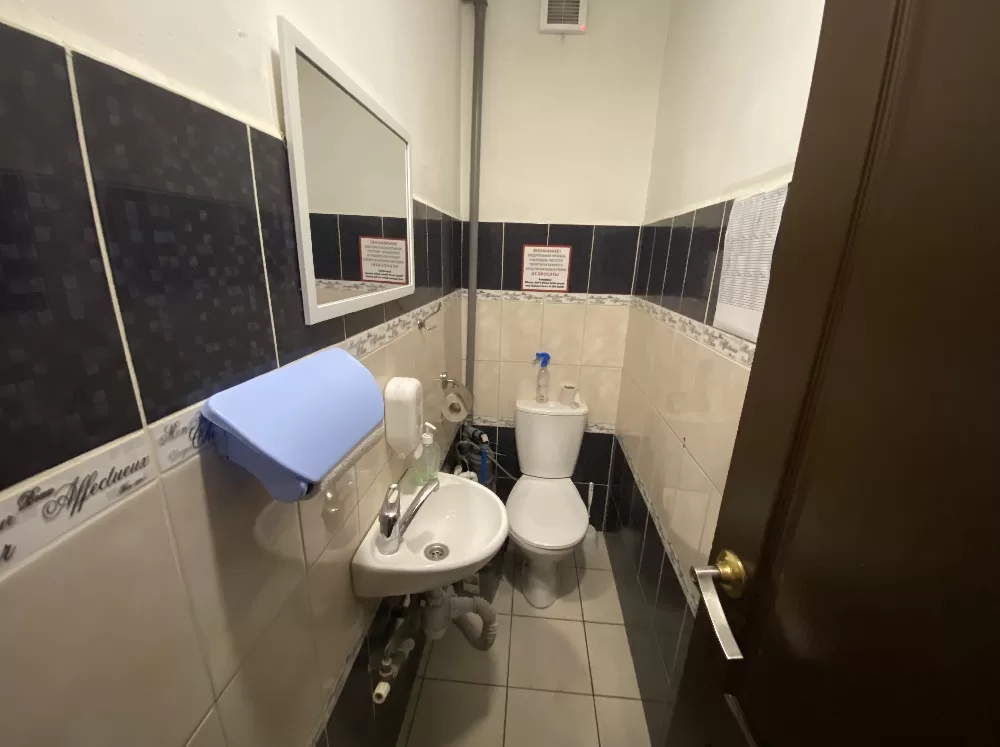
The accommodation is right next to Brest Central Station’s platforms, and outside the main station building’s entrance. It has a mix of dormitory-style shared rooms from £6, or private double rooms, all of which come with shared bathroom facilities, and all rooms have bunk beds. The reception is open 24/7, and other facilities include a kitchen with all of the standard amenities including laundry, WiFI and common areas for sitting.
My economy double room was clean, although slightly on the cramped side, and it had a bunk bed, small chair, plug sockets and the window looked out onto the platform so I could watch the trains at my leisure. But, for a cost of £11 per night it gave me everything I needed for a one night stay, and I could have easily stayed longer.
If you are arriving by train or bus, both stations are very close by. The best part – for me – was the walk into the city centre meant crossing the footbridge overlooking the entire station. I died and went to train heaven.
Where to eat in Brest
I got the impression there was a lack of really ‘good’ restaurants. I found this quite surprising given Brest had been open to tourism more than the rest of the country – so it might not be worthwhile for a truly dedicated ‘foody’.
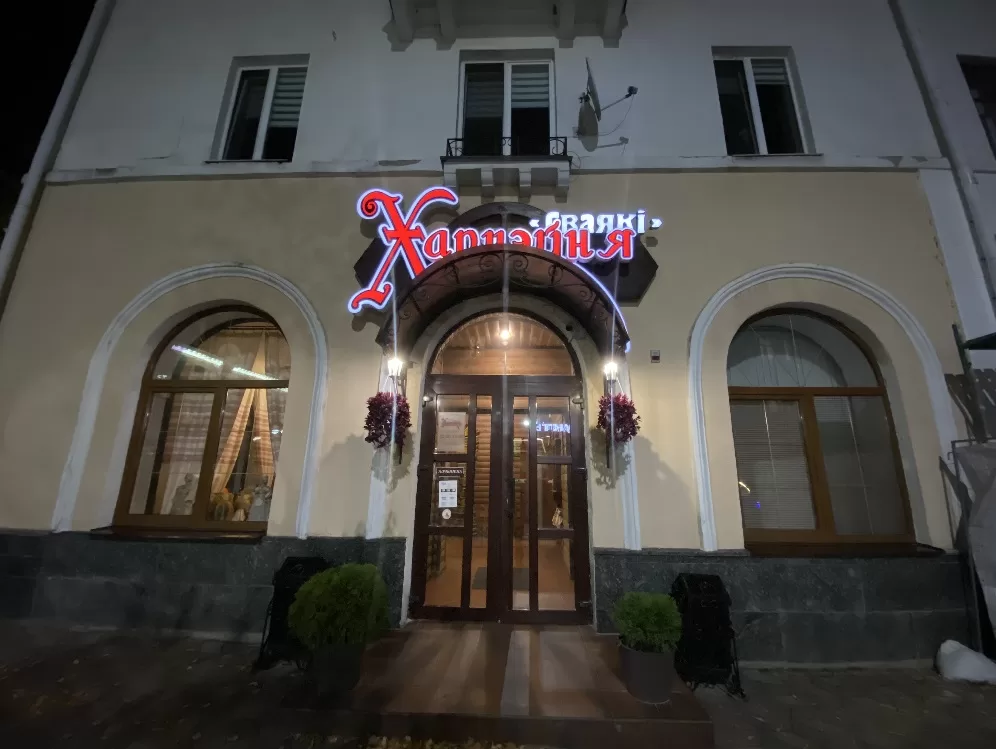
There was one restaurant that I kept coming across for my only evening meal in Brest, and that was Svayaki. The elderly owner greeted me at the door and I instantly knew I’d made the right choice. The interior very much had a ‘homey’ feel, there was an open fireplace, bricked walls, curtains and furniture that wouldn’t be out of place in my grandmother’s house.
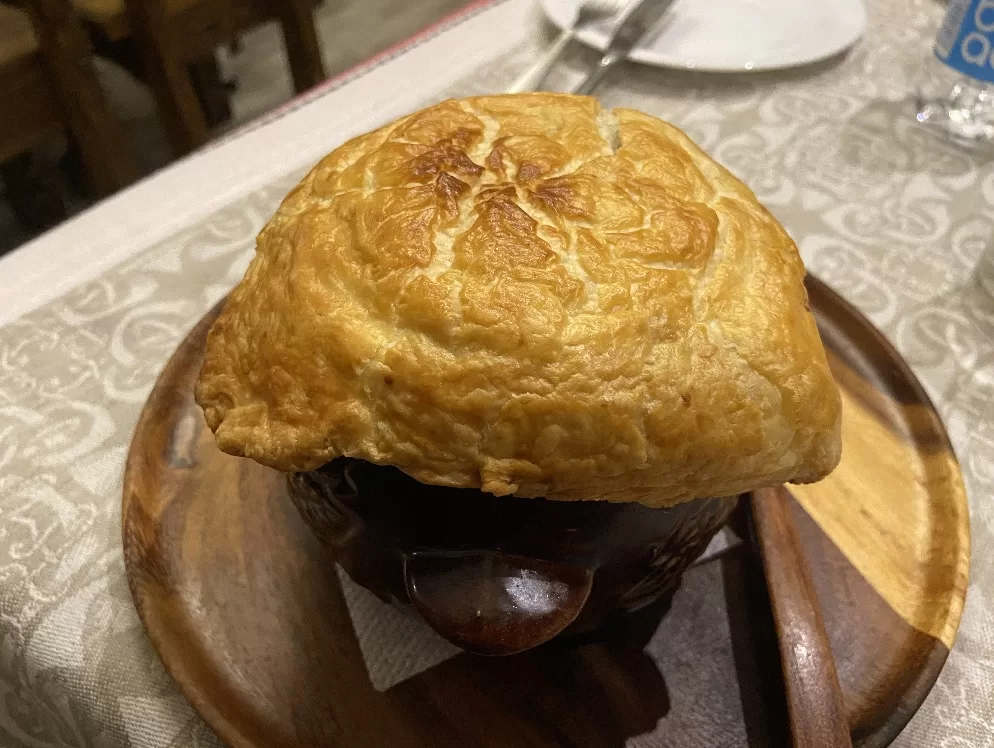
Eyes bigger than my belly (as usual), I went for a soup starter and a two course main. Some items had a cooking time next to them, which could only mean freshly prepared, and both were spectacular. The ‘Village Stew’ consisted of liver, Belarusian sausage, and vegetables with a inch thick pastry cover on top. Alongside that was the ‘Pork for the Princely’ a sublime mixture of meat, vegetables and melted cheese. Of the many meals I eat on my travels, some are awful, others acceptable, very few are excellent – and this was one of them. It is one of my all time favourite dining experiences to this day.
Top three things to do in Brest
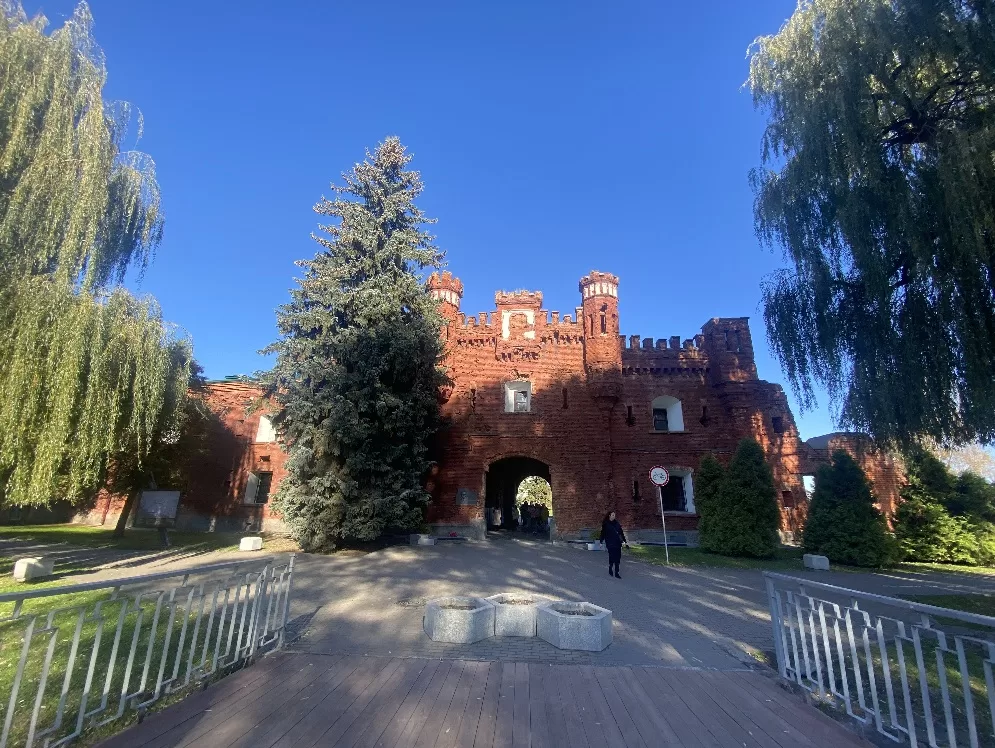
- Explore Brest Hero-Fortress
One of the reasons I came to Brest, and one of its must-see sights, is the Brest Hero-Fortress. This was the site of fierce resistance during the first days of the German World War II invasion in 1941. It’s a sprawling complex, and a monument to that defiance. I entered through a huge concrete star, to a background of Soviet music and gunfire echoing through speakers – it was a dramatic introduction.
Once you’re inside, you’ll see the imposing ‘Courage’ sculpture, a carved soldier’s head dedicated to the soldiers who defended Belarus from Nazi invasion during World War II. Other mentions of interest are two museums:
The Defence of Brest Fortress Museum (Entry Cost: 10 BYN/£2.20, closed on Mondays), which explains the history of the fortress
The Museum of War, Territory and Peace (Entry Cost: 10 BYN/£2.20, closed on Tuesdays)
- Visit the Brest Railway Museum
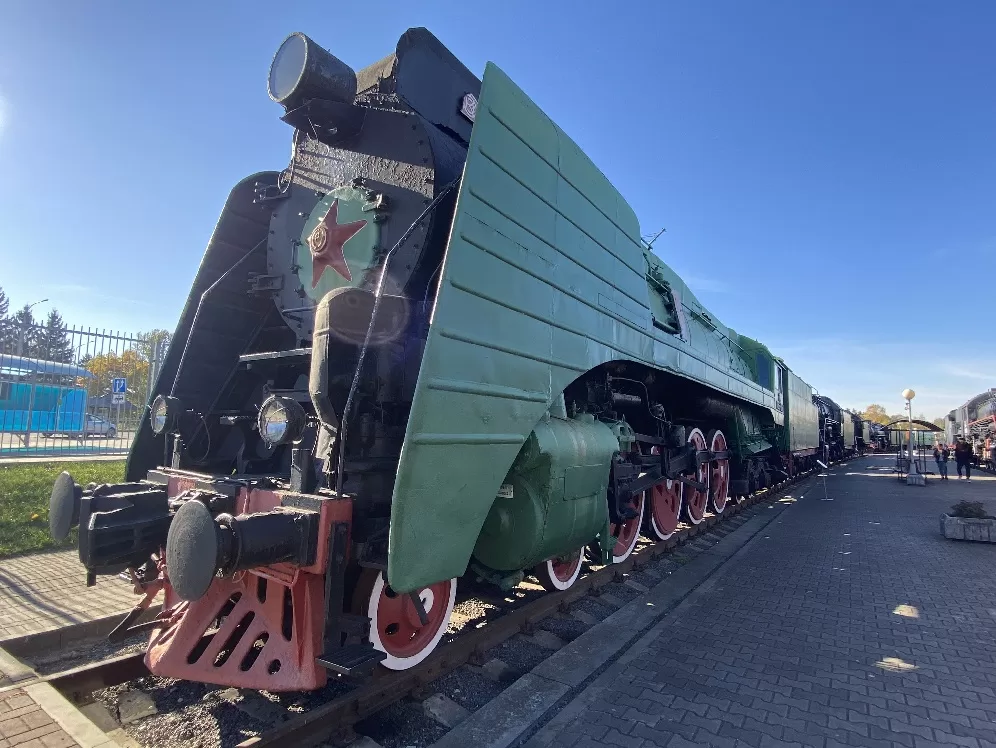
The Brest Railway Museum is part open-air exhibition and part train enthusiast’s paradise, showcasing over 50 historic locomotives and carriages. Models range from huge scale Soviet Union steam engines to diesel and electric models, of which you can climb into to inspect the driver’s cabins, and see how train travel evolved over the decades. It’s a surprisingly atmospheric place to spend a sunny afternoon.
If you like model trains, there’s also a small scale model railway set in a museum building, and for a fee, you can see the trains operate.
The entrance fee is around 8 BYN (£1.75), and the museum is closed on both Monday and Tuesday.
- Soak Up Brest’s Local Charm
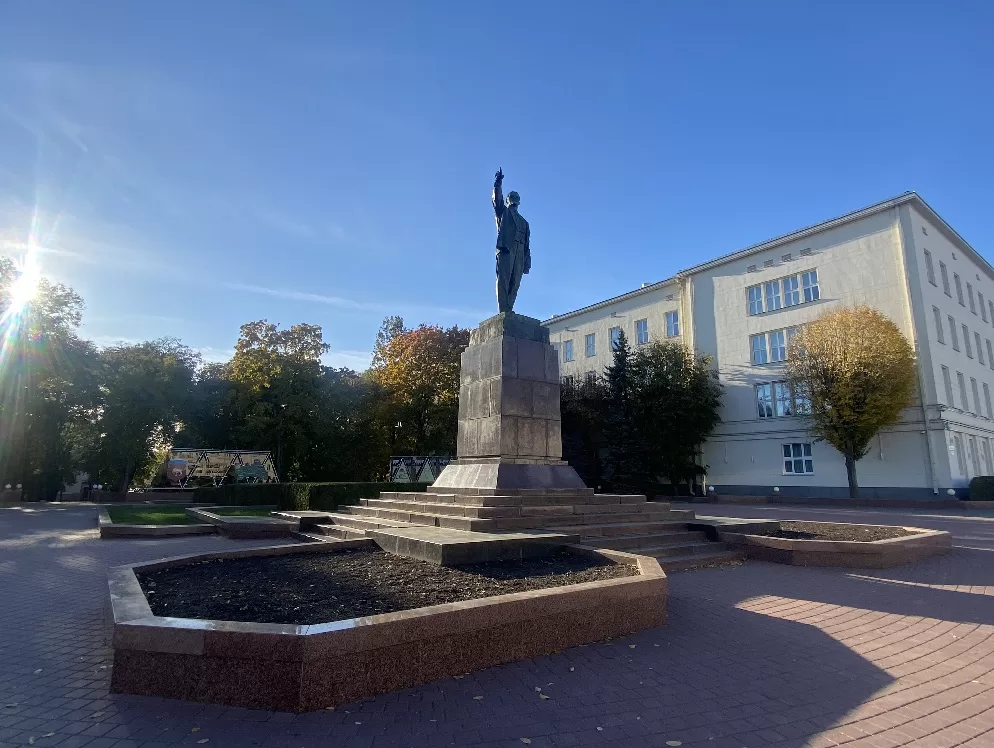
Walk down Sovietskaya Street, the city’s main pedestrian street, where there are cafés, shops, and the famous kerosene street lamps (that are still lit by hand each evening).
Wander Brest’s parks, like the peaceful May 1st Park. Explore the covered market for fresh produce, smoked fish, and local cheese, or seek out St. Simeon’s Cathedral for a dose of striking Orthodox architecture
Or, if you’re into history, the Archaeological Museum sits over the excavated remains of medieval Brest, giving a glimpse into the city’s earlier life.
All these extras are well worth seeing.
Brest is a hidden gem
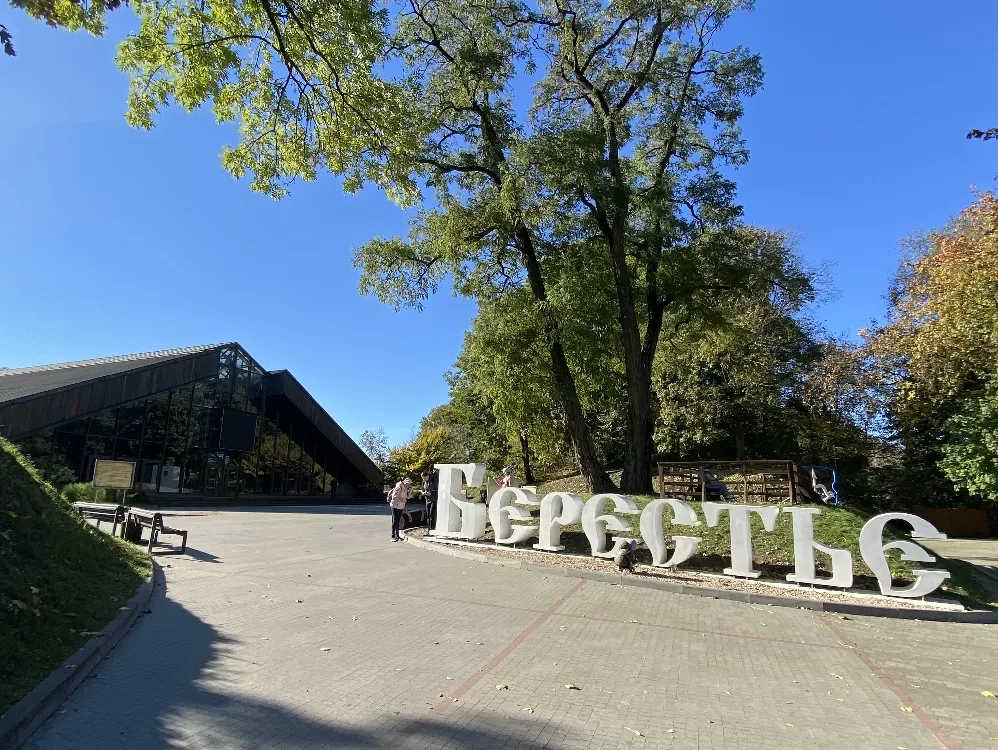
Whether it’s a day trip from Minsk or an overnight stop, Brest is well worth a visit. It definitely has a slower pace to Minsk, but there is still plenty to do. It’s a city in Eastern Europe where history, culture, and charm come together – and these are often my favourite places.
In just 36 hours, I left with a head full of history, a photo album full of trains, and a genuine fondness for this little borderland Belarussian city.