
Known informally by the locals as Antep, Gaziantep is situated in Turkey’s lesser-explored southeastern region.
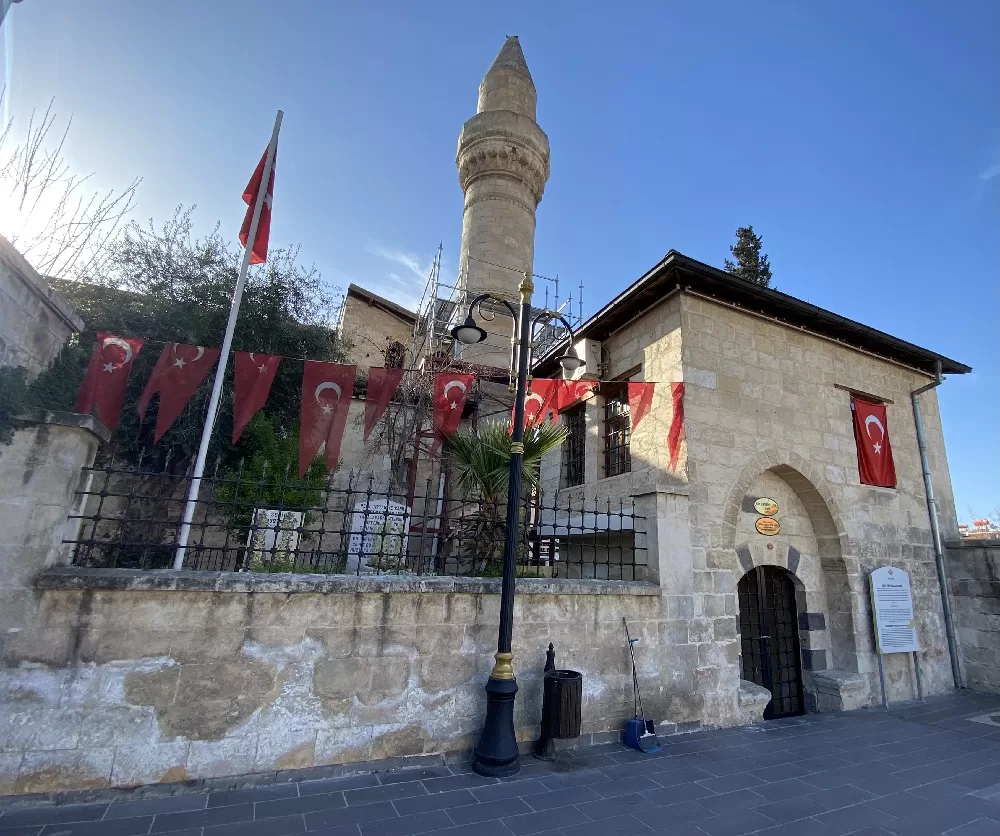
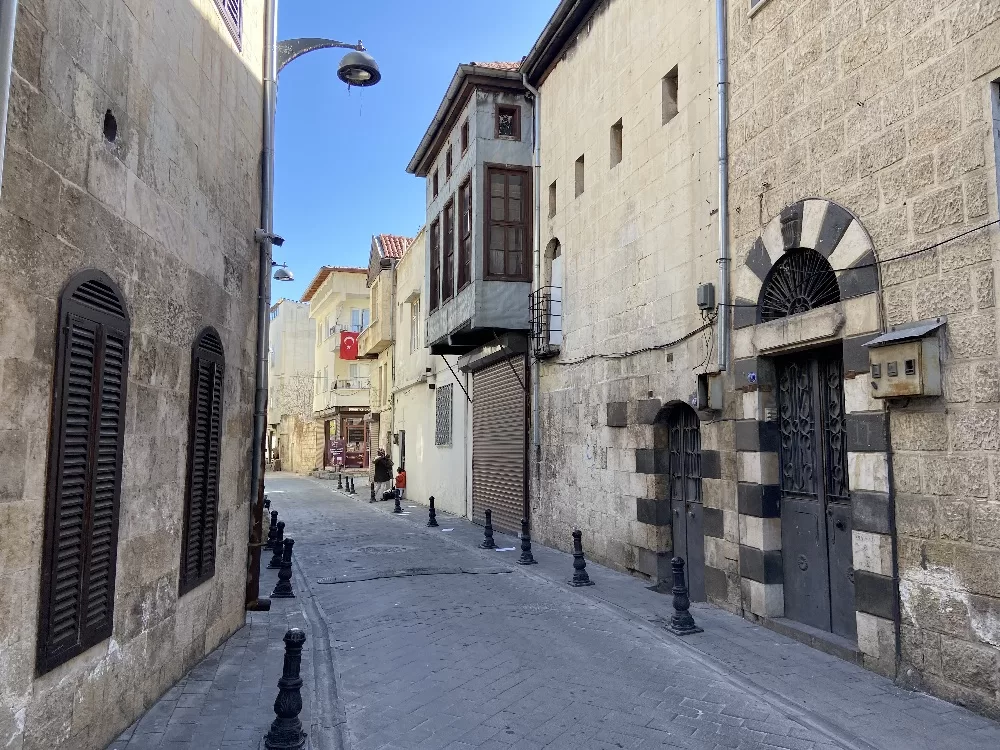
Gaziantep is one of the oldest continuously inhabited cities in the world. The city contains a blend of modern infrastructure, rustic stone houses, and historical landmarks in the city centre. It has a rich history, with trading roots dating back to the Roman, Byzantine, and Ottoman empires.
Considered to be a Turkish city of ‘Gastronomy’ – a culinary capital. This vibrant city has been recognised by UNESCO in 2015, as there is not only a treasure trove of history from ancient times to uncover in Gaziantep, but also drool-worthy culinary delights like – its world-famous baklava – heaven for those with a sweet tooth.
Gaziantep was my starting point for my 10 day cross-country adventure in southeastern Turkey, and even though I had heard a mix of responses as to whether or not it’s one of those cultural experiences worthy of a stop over… I can now say with certainty that even a short 24-hour stay is plenty of time to experience everything it has to offer.
Reasons to visit Gaziantep
- Amazing food (it really is Turkey’s food capital, marked as a UNESCO creative city of gastronomy)
- A blend of history, with archaeological excavations from the 6th century, 13th century and 16th century)
- Bustling bazaars (like the Coppersmith bazaar, also known as the Copper Bazaar)
- Fascinating museums (like the Gaziantep archaeology museum)
- A solid collection of stunning mosaics at the Zeugma Mosaic Museum (if, like me, you’re interested in historical art)
- Ancient castles (Ancient Rome, earlier and later)
Note: In February 2023, Gaziantep was hit by multiple earthquakes, which resulted in widespread damage to infrastructure and at the time of travel in March 2024 rebuilding work was still being carried out.
Important things to know about visiting Gaziantep
- Visas: Most travelers can visit Turkey visa free for up to 90 days within a 180-day period. Ensure your passport is valid for at least six months from your date of entry.
- Safety: Turkey is generally safe for tourists, and I have never encountered any issues, but it’s wise to exercise common sense and stay vigilant. Be cautious in crowded areas to avoid pickpocketing, and steer clear of demonstrations, as they can become unpredictable.
- Cultural Respect: Turkey mixes modernity with deep-rooted traditions. Dress modestly, especially when visiting religious sites, and show respect for local customs.
- Currency & Payments: The Turkish Lira (TRY) is the official currency. Cards are widely accepted, but carrying some cash is advisable for smaller vendors.
- Transport & Getting Around: Domestic flights are a great way to cover large distances, but also consider Turkey’s vast bus network. Within cities, use public transport like trams and buses, or taxis for convenience.
- Food & Water: Turkish cuisine is a must-try! Enjoy kebabs, mezes, and if it’s your thing, Turkish delight. I’d advise to stick with bottled water, as drinking tap water isn’t always advisable..
- Travel in Ramadan: I traveled to South-East Turkey during Ramadan in March 2024, and it was welcoming to tourists, with most restaurants and attractions operating as usual. Some may have reduced hours, but overall, it’s a great time to experience its rich cultural and spiritual atmosphere.
How to get to Gaziantep
Gaziantep is well-connected with various destinations in Turkey by domestic flights, as well as a handful of international destinations by plane in Europe. Turkey operates a number of airlines such as Turkish Airlines, Pegasus, AJet and SunExpress meaning you can easily reach this southeastern city from the likely entry points of Istanbul airport and Izmir.
Aside from flying, the next best option if you aren’t in the larger cities is to use the extensive bus network, with connections from a large variety of other cities.
- Flying – Equipped with an international airport and you can fly domestically from Istanbul and Izmir (Including Ercan in the disputed territory in Northern Cyprus). Beyond that, there are a handful of international connections from Germany, Switzerland and the United Kingdom. You can reach the city centre from the airport by taking the Havaş shuttle service, costing 90 TL.
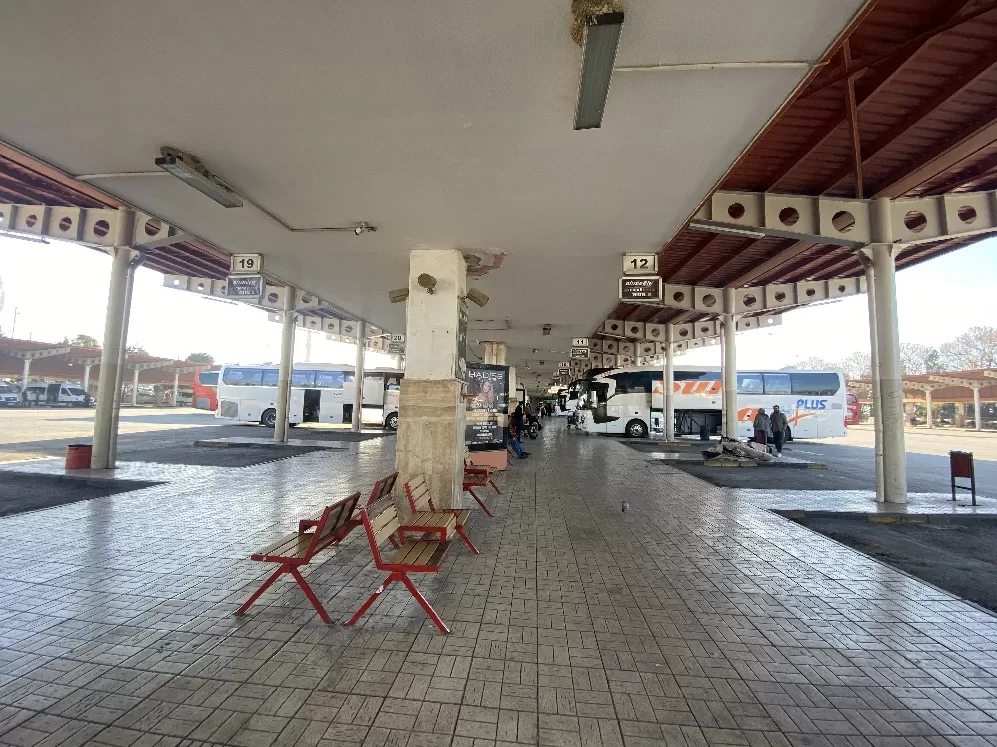
- Bus – The bus station (otogar) is situated a few kilometres outside of the city, but is served by local buses directly outside that will take you to the centre. Gaziantep is connected by bus to multiple destinations on its extensive network across the country, and with several bus companies operating you will always be able to find your way. I booked all of my train tickets in Turkey using Obilet, with its ‘English’ option, easy to use functionality and accepting visa/mastercard.
- Train – Currently there are no train connections operating to Gaziantep from other Turkish cities, but it does have a newly opened 25.5 km Gaziray commuter rail line, but tourists will be unlikely to use this. However, in 2025 it will benefit from a high-speed rail connection with Mersin crossing Adana and Osmaniye with a station in Başpınar, where the new commuter line starts.
Getting around Gaziantep
Generally Gaziantep is a very ‘walkable’ city, and once you are in the city centre it’s unlikely you will need to go beyond as all of the main sights are centrally located. There are a couple of other options if you don’t always want to walk between different areas of the city:
- Tram – There are 3 tram routes operating within the city, and tourists will find the North – South, T1 the most useful as it connects the central districts with the railway station.
- Taxi – You will find taxis dotted around the city, with all of them using the meter, so it means there is no need to haggle for the price. Just press the taxi ‘buttons’ located around the city and one will arrive soon after.
Where to stay in Gaziantep
Where I stayed in Gaziantep
Name: Pamuk City Hotel
Accommodation cost: £15 (https://www.booking.com/Share-Na8yKv)
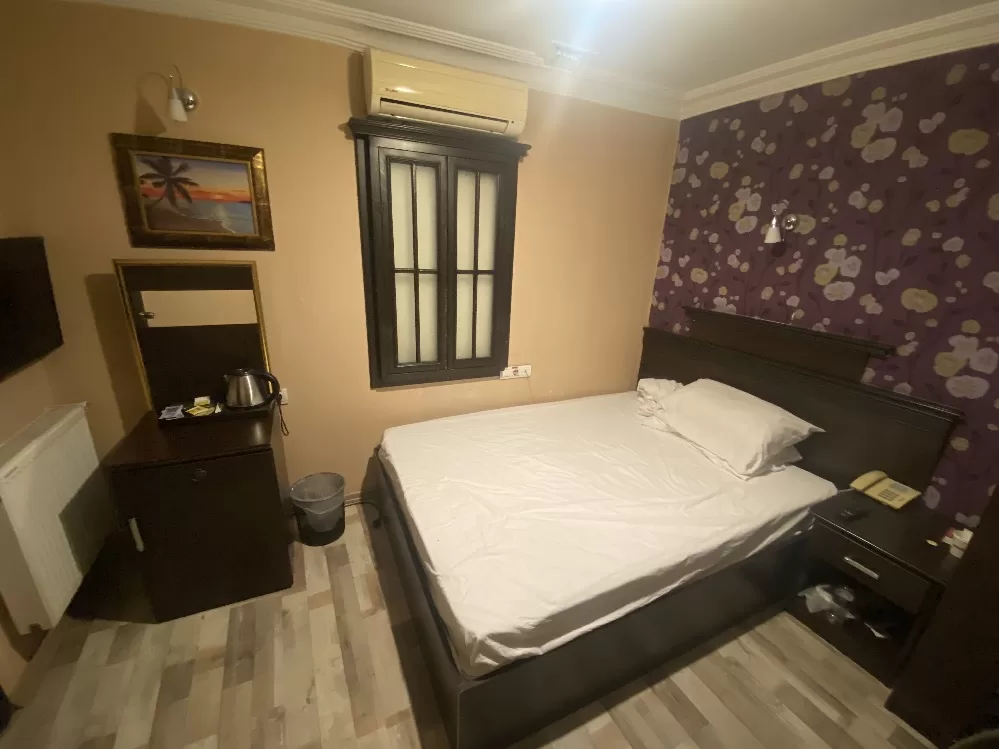
Situated in the city centre, and within walking distance of all major attractions you won’t find anything that is better value for money than Pamuk City Hotel. My economy double room was clean, comfortable, and met all of my expectations. Staff were friendly at check-in, the WiFi worked well, and I had hot water whenever I needed it. The reviews were mixed, but I could not have asked for anything else.
What to eat in Gaziantep
A city isn’t just given UNESCO recognition as a Creative City of Gastronomy, you will have to showcase centuries of flavour, spice and tradition, passed down through the generations from kitchen to plate. Gaziantep is renowned as the gastronomic capital of Turkey for its food diversity, there is a very good reason for this and for a foodie like me it was a visit for all of the senses – Gaziantep cuisine is unique, and wonderful.
Gaziantep is the birthplace of Turkish baklava, and the locals will tell you that unless it’s from old Antep, it’s not the same – as traditional Gaziantep baklava a completely different experience to anywhere else.
Layers of phyllo, chopped pistachios, and syrup combine into an unforgettable dessert that literally melts in your mouth. The pistachios in Antep are said to be among the best in the world; you’ll find these used in various local treats, including the sweet pastry known as Katmer, and in a coffee called Menengiç Kahvesi.
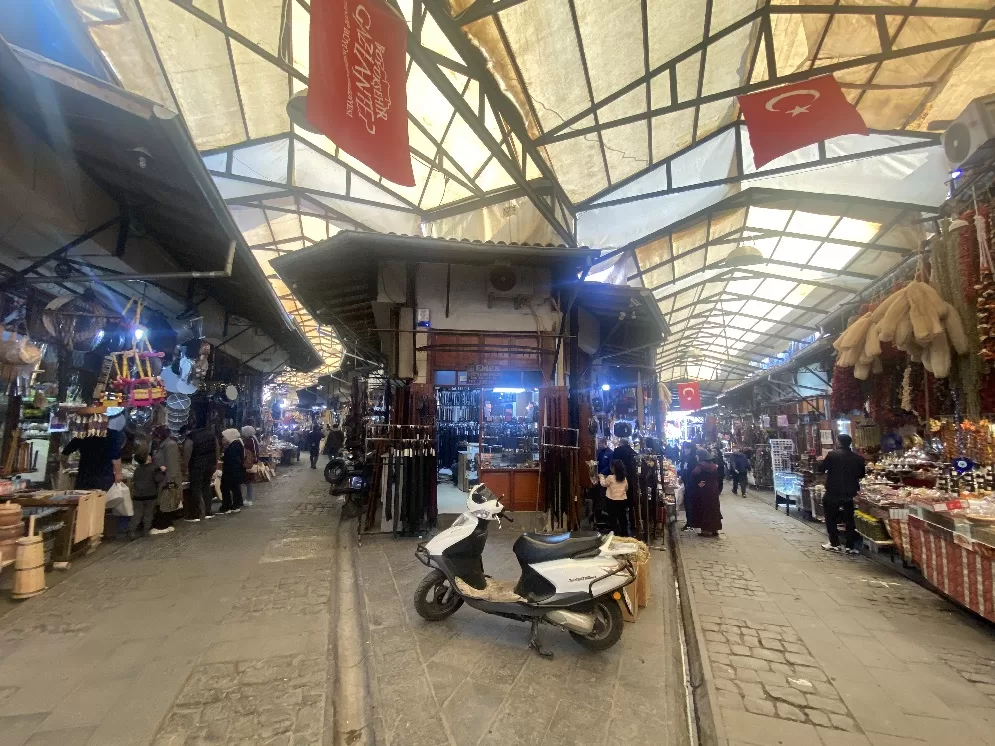
Delve into Gaziantep’s street food scene, and make your way to Zincirli Bedesten (Old Bazaar) to have your senses tingling from the regional spices and try favourites like çiğ köfte (raw bulgur and spice patties), lahmacun (Turkish pizza with spiced meat), and küşleme (grilled tender lamb).
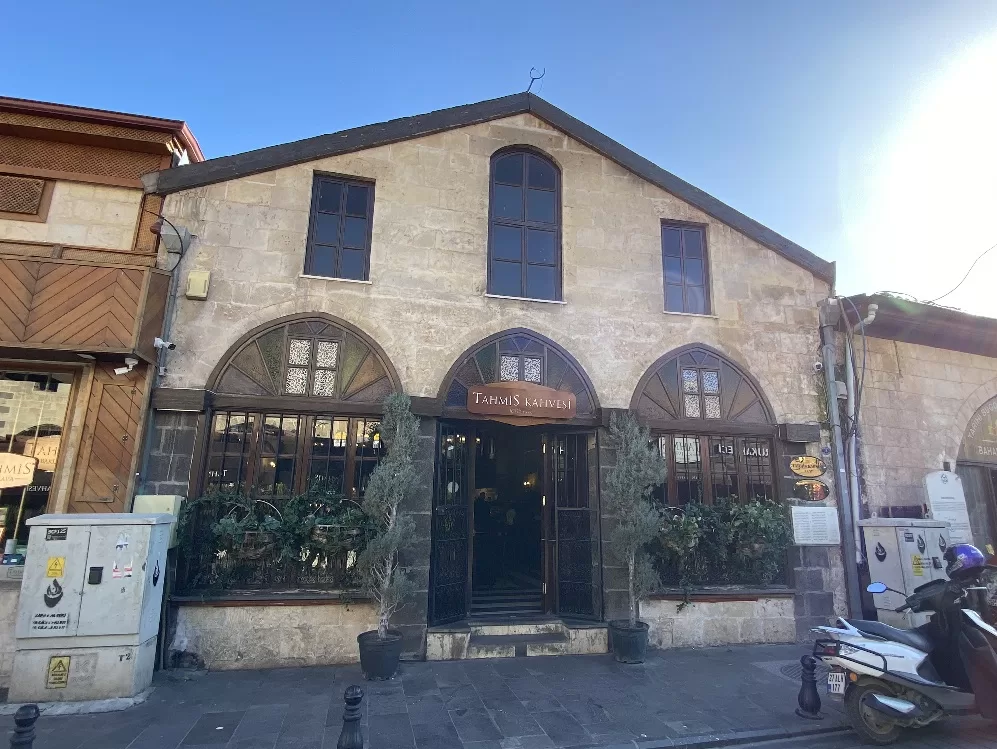
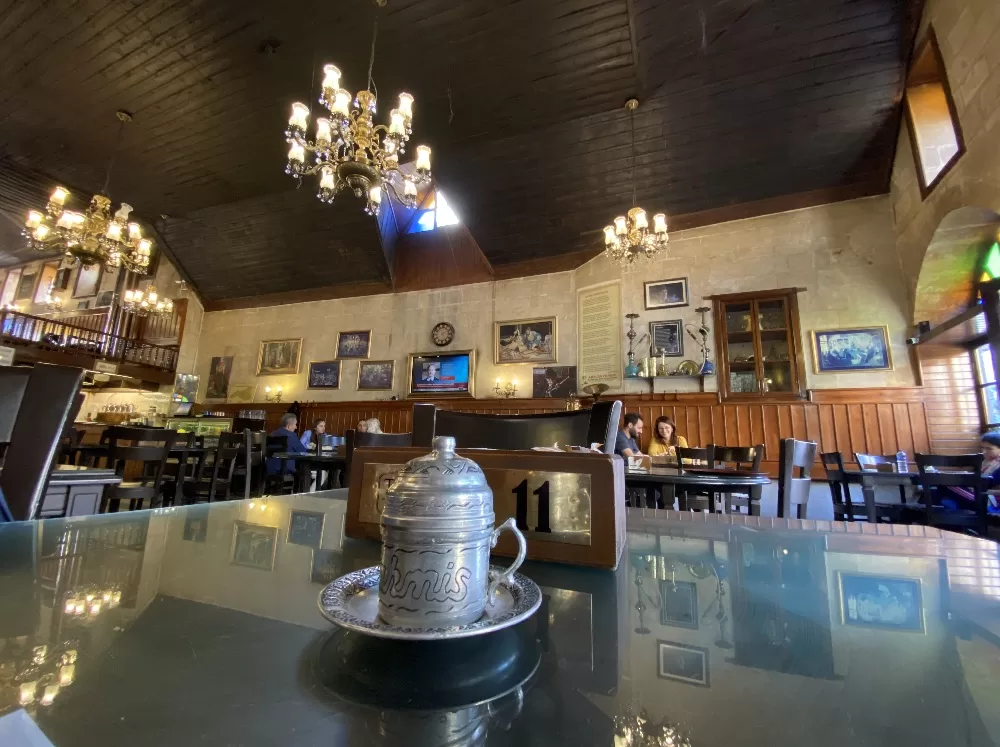
To try a coffee with a difference, visit Tahmis Kahvesi, a historical and traditional coffeehouse established in 1635. Order Menengiç Kahvesi, which is made from roasted and ground terebinth nuts, which come from the wild pistachio tree and leave you with an earthy, nutty and aromatic drink. This pairs perfectly with a traditional Antep baklava.
Top 3 things to do in Gaziantep
Hamam Museum
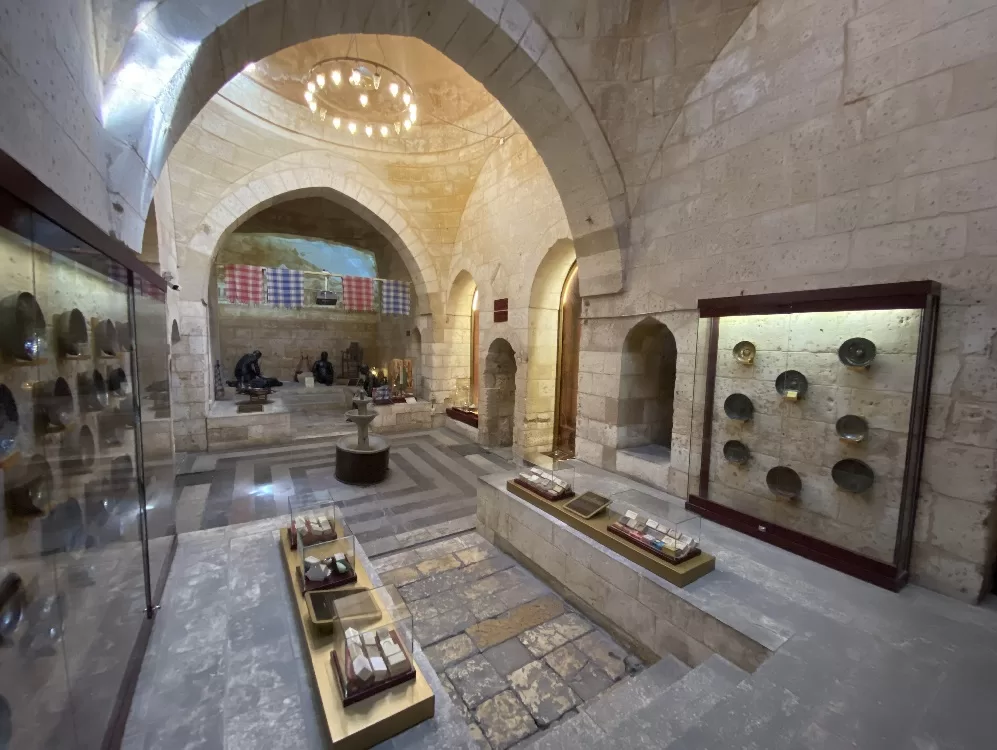
I came across this museum almost by accident as I wandered through a side street walking from the fortress back to the centre of the ancient city. It was however one of those accidents that happen when you travel and it leads you to something truly memorable.
The museum is small, but it does bring to life the Hamman culture that’s found all over Turkey. The building itself was constructed in 1577, and originally served for centuries as the bath section of the külliye (social complex attached to a mosque) dating back to the Ottoman Empire.
Once you are inside, you are taken into a beautifully recreated hamam, where the cold, warm, and hot bathing areas are brought to life with wax figures and traditional hamam tools—offering a glimpse into centuries-old bathing rituals.
The entrance fee was 5 Turkish Lira.
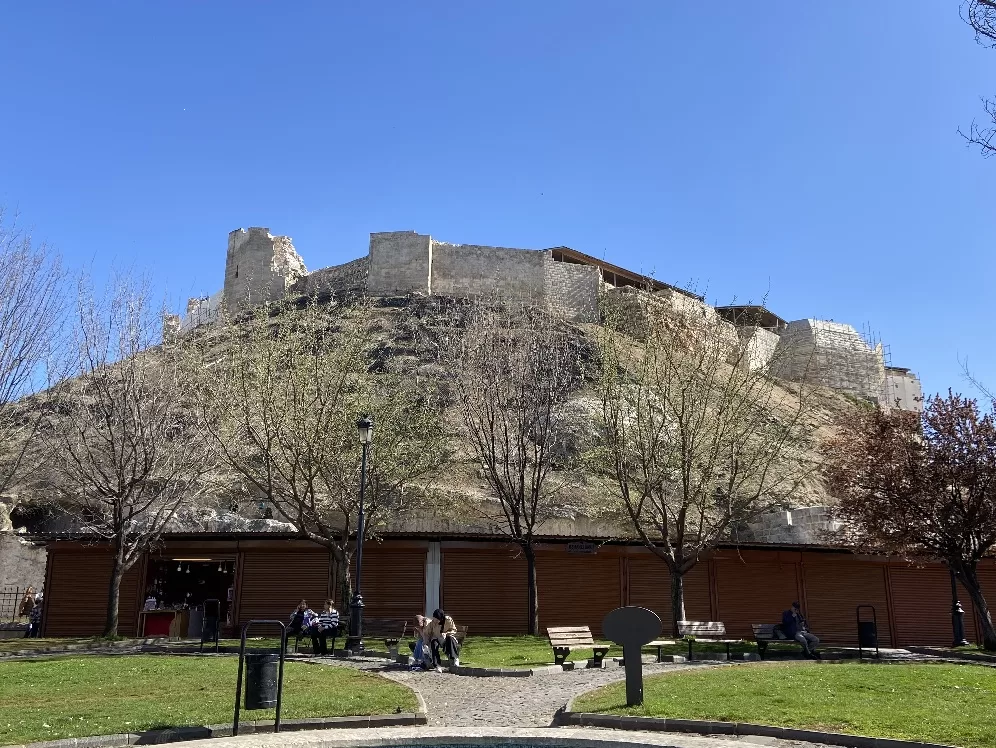
Gaziantep Castle
The dramatic centerpoint of Gaziantep, and an attraction that was closed (March 2024) for renovations when I visited due to the destruction from the earthquake, but it still makes the list of top things to do in Gaziantep. I hope to revisit here one day, and when it does reopen based on my research I urge you to do the same.
Gaziantep castle is one of the best examples of a surviving castle you can find in Turkey and although there is no definitive information about its history, it was found atop a mound that dates back 6000 years. Numerous rebuilds from its original use as a Roman period watchtower have been completed by the Byzantine Empire (its current form), Egyptian Sultan Qaitbay, and then finally, the Ottoman Empire.
It’s unfortunate you can’t even visit the outer walls and enjoy the views over Gaziantep, but one day it will be restored to its former glory and tourists can wander its thick walls, and explore its history. Gaziantep castle is not to be missed.
Zeugma Mosaic Museum
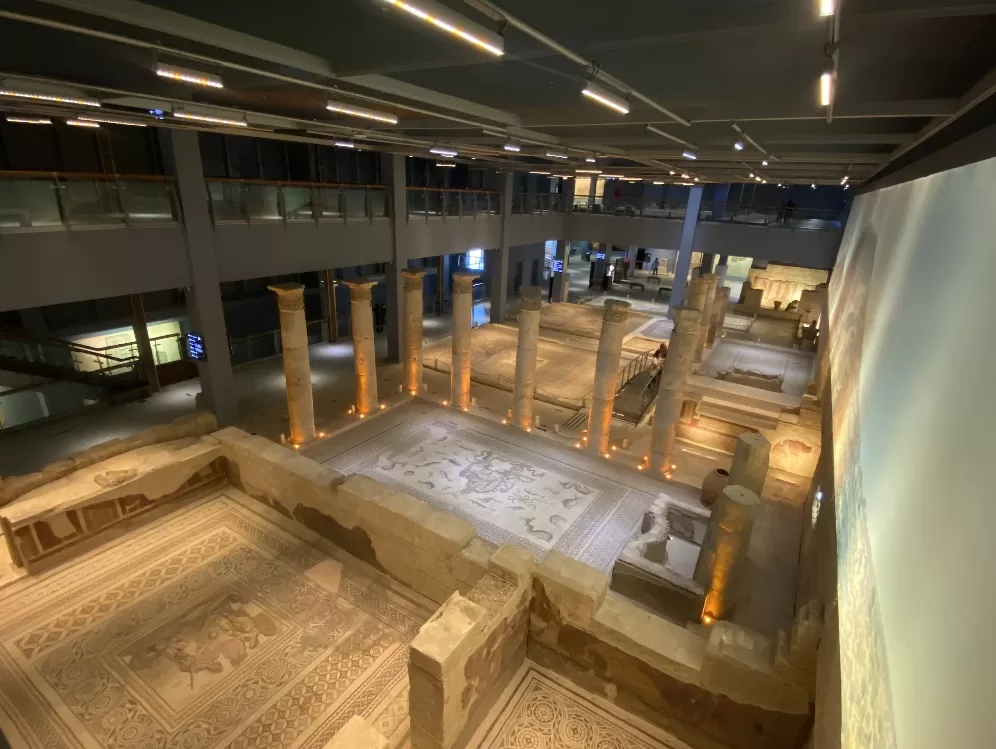
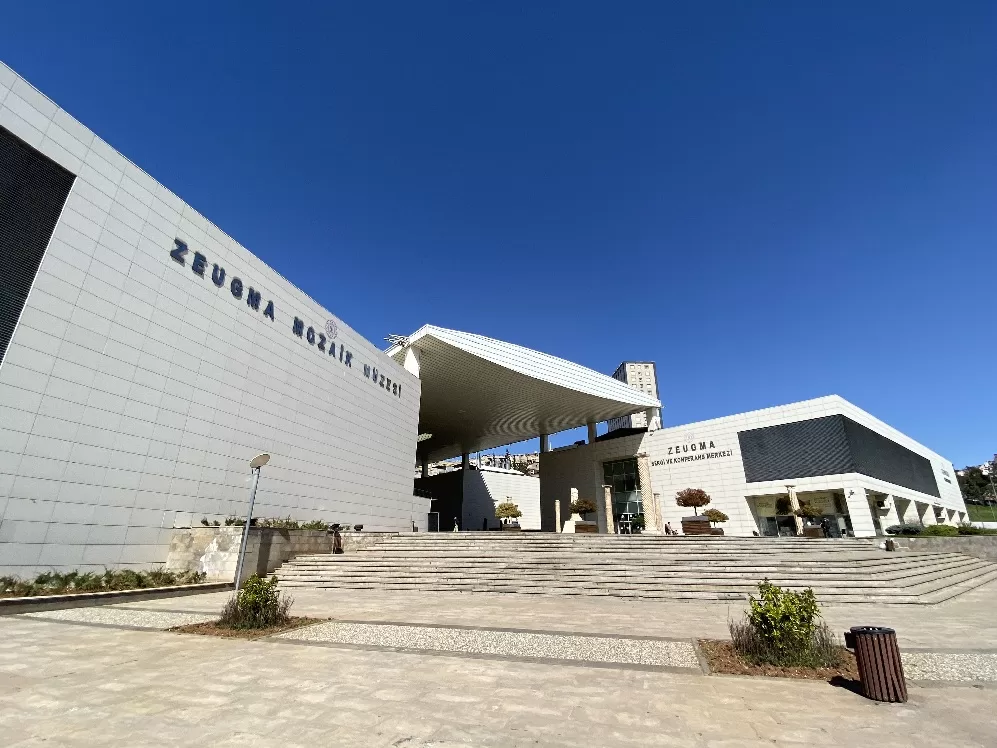
Gaziantep is home to the largest mosaic museum in the world after the Bardo National Museum in Tunis, Tunisia. The art and mosaics found here are focused on Zeugma, which was an ancient Greek and then Roman city located in the region. Mosaics here at the Zeugma Mosaic Museum were found near to the River Euphrates are on the level you walk in before eventually mosaics found at the terrace levels of the city. More are displayed on the ground, which were found under the newly constructed Birecik Dam.
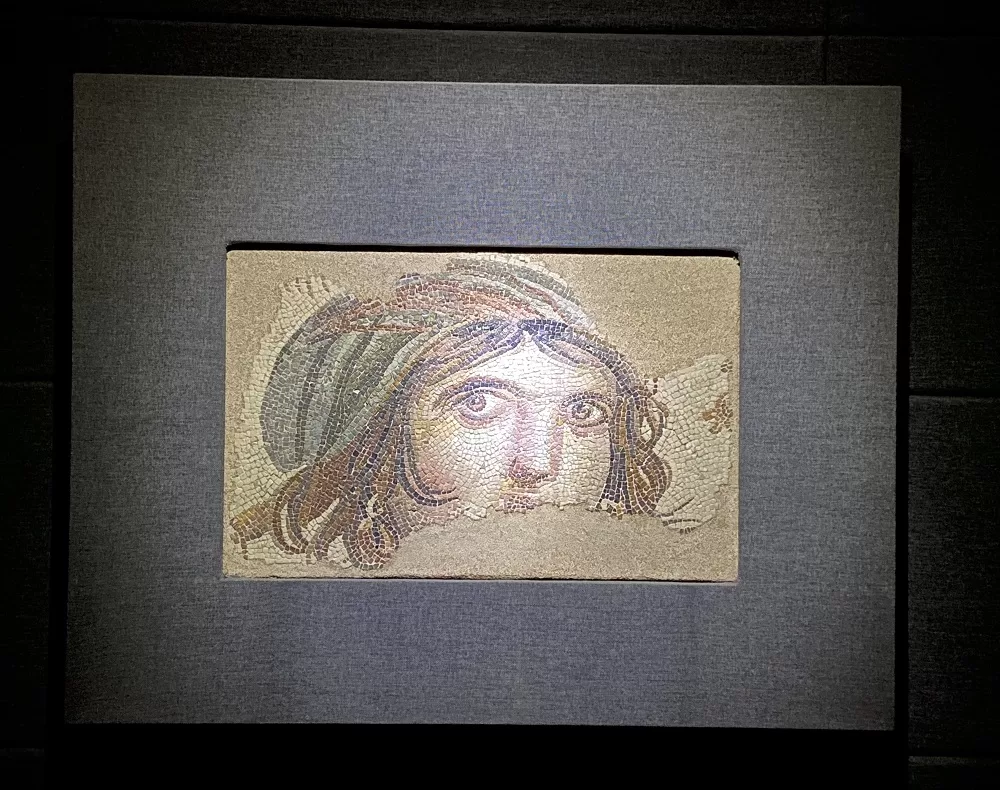
The exhibitions here depict the life, beliefs and culture of those who lived in Zeugma and most of the mosaics here were excavated from the roman villas found at the site. Here you will find the famous “Gypsy Girl” mosaic that has become a symbol of the museum.
In terms of something historical and interesting, this was a beautiful place to visit; it displays some of the finest Roman Mosaics ever discovered. The entrance fee was €12 and given the size of the museum it was certainly worth it!
A hub of Turkish cultural heritage
As for my silk road explorations in Turkey, Gaziantep was the first Turkish city I visited outside of its capital Istanbul (which is considered a gateway for the silk road).. This sometimes overlooked historical and culinary gem was the starting point for my 10 day adventure in the southeastern region.
There is definitely a much different feel in this region of the country in comparison with Istanbul. I found it much more relaxed, a totally different cultural feeling and far less of a tourism footfall.
If you are considering visiting this region, I would urge you to consider Gaziantep even for a one-night stopover – it’s a glorious ancient city, well worth adding to your itinerary.